Relays are essential components in many electrical and electronic systems, functioning as switches that control larger currents using a smaller electrical signal. Whether you’re working in industrial automation, home appliances, or automotive systems, understanding how relays work and how to operate them correctly is critical for ensuring the safety, efficiency, and longevity of your equipment. In this guide, we will walk through the basics of relay operation, installation procedures, troubleshooting, and maintenance to help you manage your relay systems effectively.
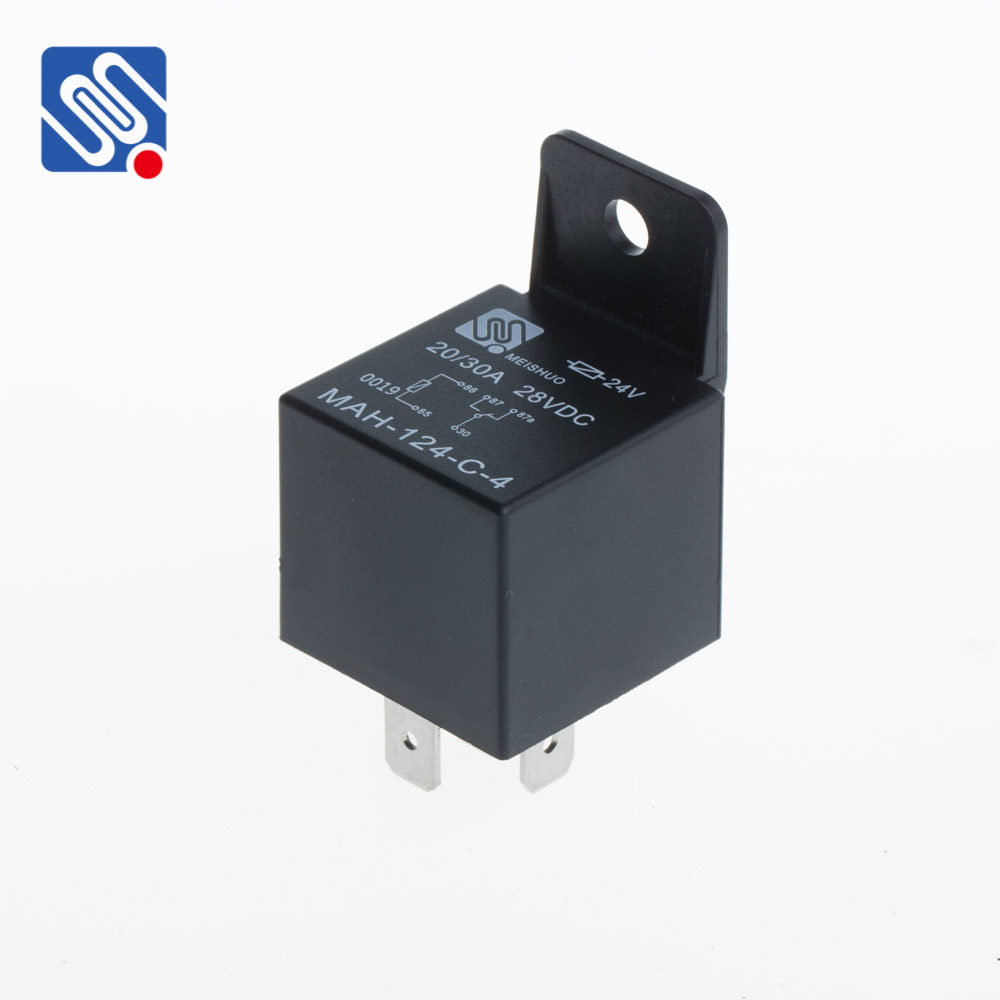
What is a Relay? At its core, a relay is an electrically operated switch. It allows a low voltage signal to control a higher voltage circuit. Relays consist of an electromagnet, a set of contacts, and a spring. When an electrical current passes through the coil (electromagnet), it creates a magnetic field that pulls the armature, which in turn opens or closes the relay’s contacts. This operation enables the relay to control a larger circuit with the smaller input signal. Types of Relays There are various types of relays, and the choice of relay depends on the application. Some common types include: