When it comes to ensuring the reliability and efficiency of electrical systems, the choice of a relay is often a critical decision. Relays are essential components in many industries, from automotive and telecommunications to industrial automation and power systems. Whether you are designing a new system or upgrading an existing one, understanding how to select the right relay is crucial. This Relay Procurement Guide aims to help engineers, procurement specialists, and system designers make informed decisions by considering key factors such as type, specifications, performance, and supplier reliability.
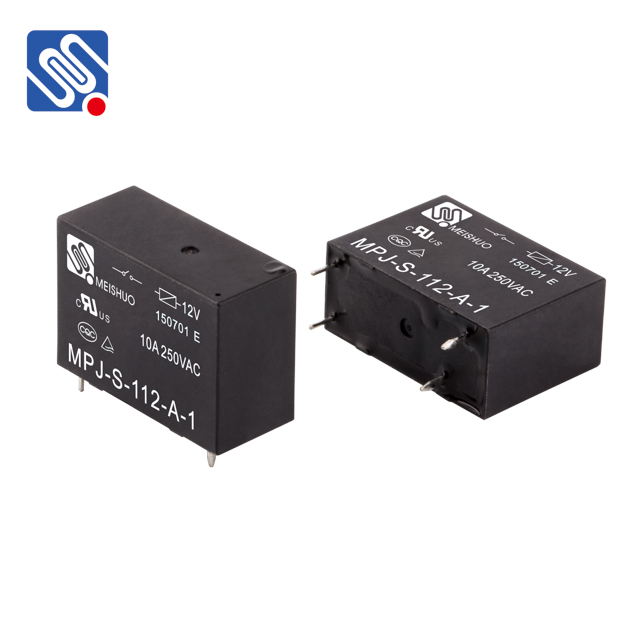
Types of Relays Relays come in various types, each suited for different applications. Understanding these types is the first step in selecting the appropriate relay for your project. The most common types of relays include: Electromagnetic Relays (EMRs): These are traditional mechanical relays where the operation is based on an electromagnetic coil. When the coil is energized, it pulls or releases contacts. Electromagnetic relays are widely used in applications that require simple switching, such as in control systems or low-power circuits. Solid-State Relays (SSRs): Unlike electromagnetic relays, solid-state relays operate without any moving parts. They rely on semiconductor components to perform the switching operation. SSRs are preferred in applications where high speed, durability, and resistance to wear and tear are necessary.