Relay production is a critical aspect of modern electronics and electrical systems. Relays are essential components used to control the flow of electricity in various applications, ranging from household appliances to industrial machines. This article delves into the relay production process, examining the key stages involved in manufacturing high-quality relays that ensure reliable performance in diverse environments.
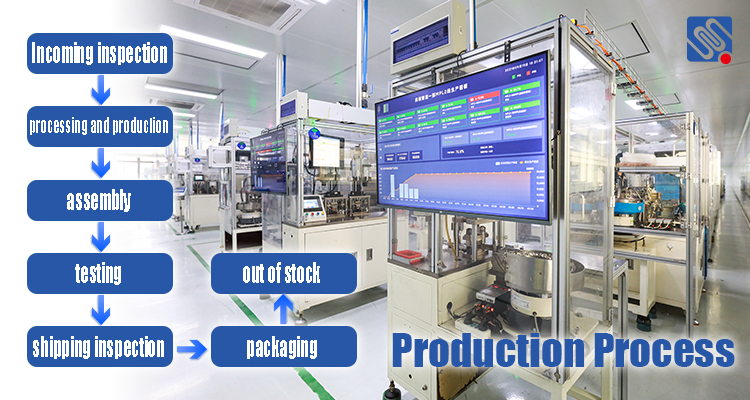
What Is a Relay? A relay is an electromechanical switch that uses an electromagnet to operate a set of contacts. When an electric current passes through the coil of the relay, it generates a magnetic field that attracts or repels the armature, thereby opening or closing the contacts. Relays are widely used in applications that require electrical isolation, remote control, or automation. Their versatility, durability, and ability to handle high voltages make them indispensable in everything from automotive systems to industrial control panels. Key Stages in Relay Production The production of relays involves several complex steps, each critical to ensuring that the final product meets the required performance standards. Here are the main stages of relay production: