Relays are essential components in electrical systems, particularly in industrial automation, power distribution, and safety-critical applications. They serve as switches that control the flow of electricity, ensuring that circuits are properly managed, safe, and secure. Given the critical role relays play in maintaining system integrity, safety features in relays are paramount. This article explores the key safety features of relays that ensure reliable operation, minimize risk, and protect both equipment and personnel.
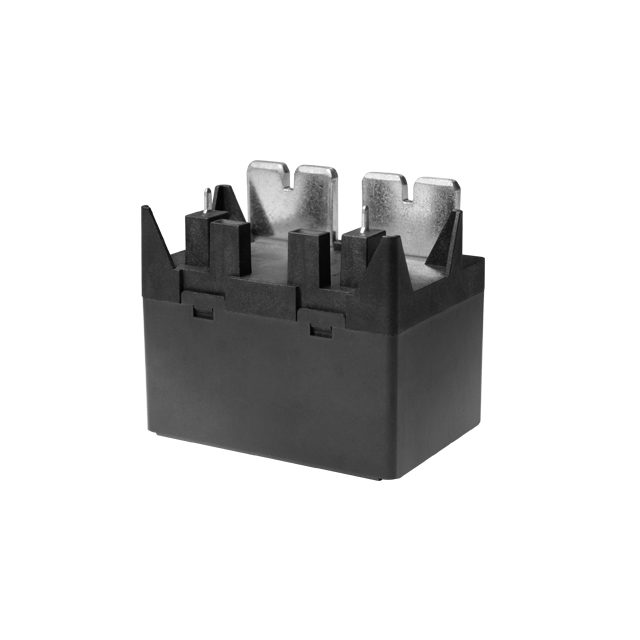
1. Overload Protection One of the primary safety features found in many relays is overload protection. When an electrical circuit is subjected to an excessive current that could cause damage to the wiring, equipment, or other components, an overload relay will activate. This relay will sense the abnormal current flow and disconnect the circuit to prevent potential damage or fire hazards. Thermal overload relays, for example, operate by sensing temperature changes that result from excessive current and will trip the circuit to avoid damage. These relays are commonly used in motors and other high-power applications where the risk of overload is high.