Relays are essential components in various electronic and electrical systems, serving as electrically operated switches to control circuits. They enable the automation of devices and are widely used in applications ranging from automotive systems to industrial automation and telecommunications. When selecting the right relay, understanding its specifications is crucial for ensuring compatibility and optimal performance. This article outlines the key parameters of relay specifications, providing insights into their characteristics and how to choose the right relay for specific applications.
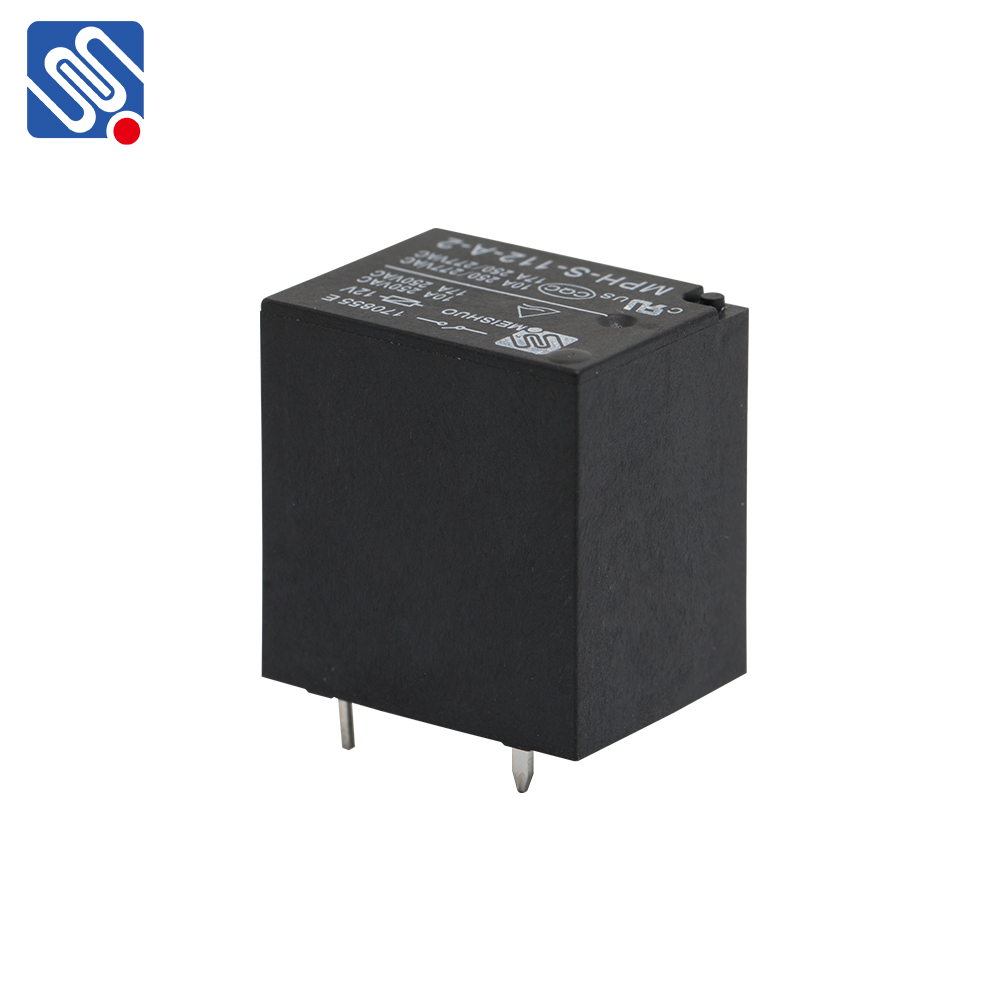
1. Coil Voltage and Current The coil voltage and current specifications determine the operating voltage required to activate the relay. These parameters are essential for ensuring that the relay works efficiently with the electrical system in which it is integrated. Typically, relays operate on either direct current (DC) or alternating current (AC), and the coil voltage should match the control signal voltage to ensure proper operation. Coil Voltage: Relays are available in a wide range of coil voltages, including 5V, 12V, 24V, 48V, and even higher. Choosing the correct coil voltage is vital because a mismatch can lead to improper switching behavior or coil burnout.