Relays are essential components in electrical systems, acting as electrically controlled switches to open or close circuits. They are widely used in automation, control systems, and various electronic devices. The choice of relay depends on several key specifications, each tailored for specific applications. In this article, we will explore a comparison of relay specifications, highlighting the important factors to consider when selecting the right relay for a given use case.
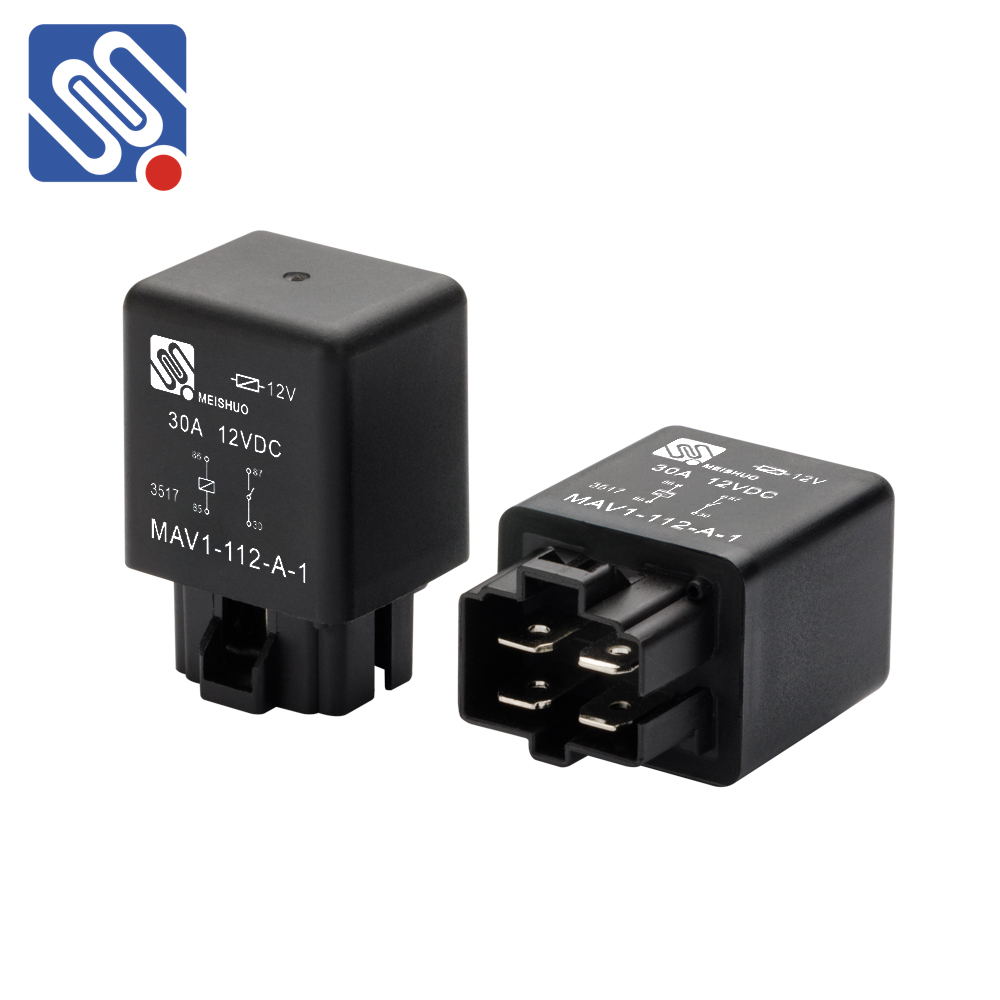
1. Contact Configuration One of the first factors to consider when comparing relays is the contact configuration. Relays are available in different configurations, and selecting the right one is essential for the operation of the circuit. SPST (Single Pole Single Throw): This is the simplest type, where one contact is used to open or close a single circuit. It is ideal for basic on/off applications. SPDT (Single Pole Double Throw): This configuration allows the relay to switch between two circuits. It is useful when there’s a need for more complex control, such as switching between two states.