Relays are essential components in a wide range of electrical systems, from industrial machinery to everyday consumer electronics. They act as electrically operated switches, allowing low-power signals to control higher-power circuits. However, with the variety of relays available in the market, it can be challenging to choose the right one for a specific application. A thorough understanding of relay specifications is crucial for making an informed decision. This article explores the key specifications to consider when comparing relays, helping you select the ideal one for your needs.
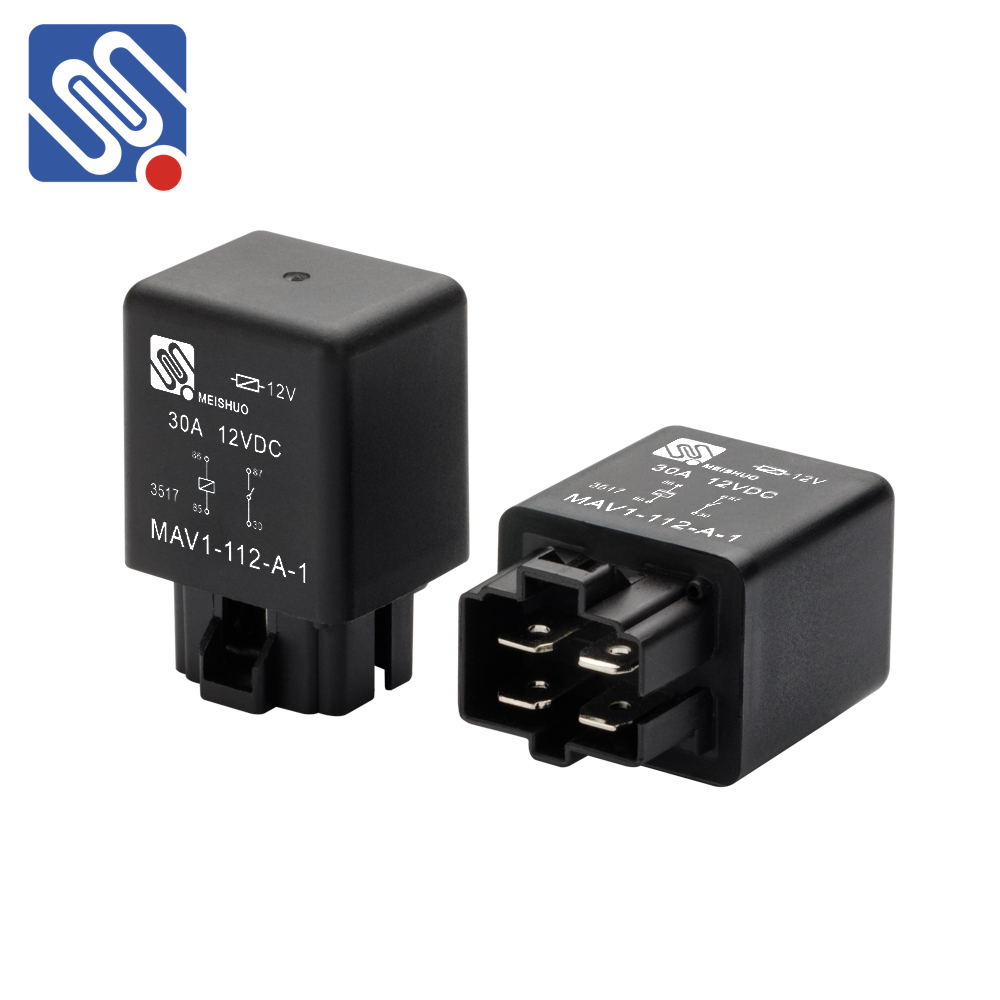
1. Rated Voltage and Current One of the first specifications to check when comparing relays is the rated voltage and current. These parameters indicate the maximum voltage and current that the relay can handle safely. The rated voltage is particularly important because exceeding it may lead to arcing or relay failure. The rated current determines the maximum load the relay can switch without damaging the contacts. It’s vital to choose a relay that aligns with the operational voltage and current of the system in which it will be installed. For instance, if a relay is used in a system with a 24V DC supply, the relay’s rated voltage should be compatible with this supply. Similarly, the rated current should exceed the maximum current that will flow through the relay contacts to avoid overheating and failure.