Relay type selection plays a pivotal role in ensuring the efficiency and reliability of electrical circuits. A relay, by definition, is an electrically operated switch that uses an electromagnet to mechanically operate a set of contacts, or a solid-state element, to switch electrical signals. However, with a vast array of relay types available, selecting the right one can be a challenging task. In this article, we will delve into the key factors that need to be considered when selecting a relay type, helping you make an informed decision for your specific application.
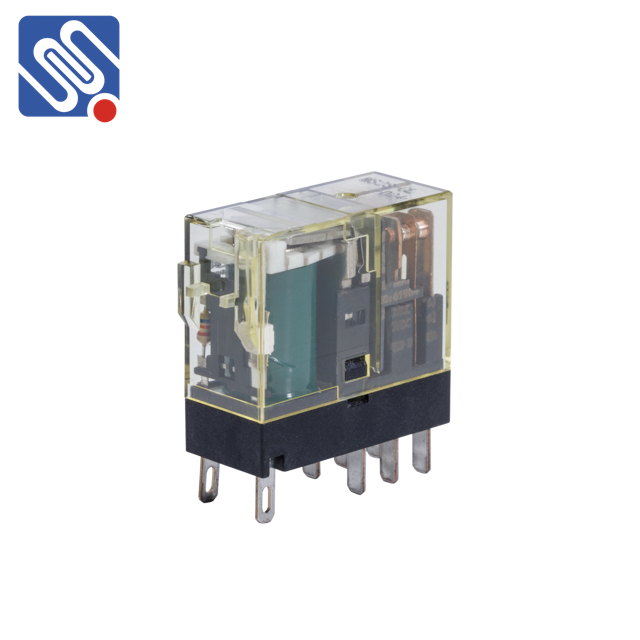
1. Understanding the Basics of Relay Types Relays come in various forms, and the choice of relay largely depends on the nature of the load, control signals, environment, and other operational factors. The primary types of relays are: Electromechanical Relays (EMRs): These relays use a physical mechanical armature and contacts to close or open circuits. They are widely used for their simplicity and reliability in lower-frequency switching applications. Solid-State Relays (SSRs): Unlike EMRs, SSRs use semiconductor components such as thyristors or triacs to perform switching. They are typically used in applications requiring faster switching speeds and higher durability.