When designing electrical circuits or automation systems, choosing the right relay type is crucial for ensuring optimal performance, reliability, and longevity of the system. Relays are electromechanical devices that switch electrical circuits on and off, serving as an intermediary between a low-power control circuit and a high-power system. The selection of a relay type involves various considerations, including electrical parameters, mechanical features, and environmental factors. In this article, we will explore the key aspects of relay type selection to help you make informed decisions for your applications.
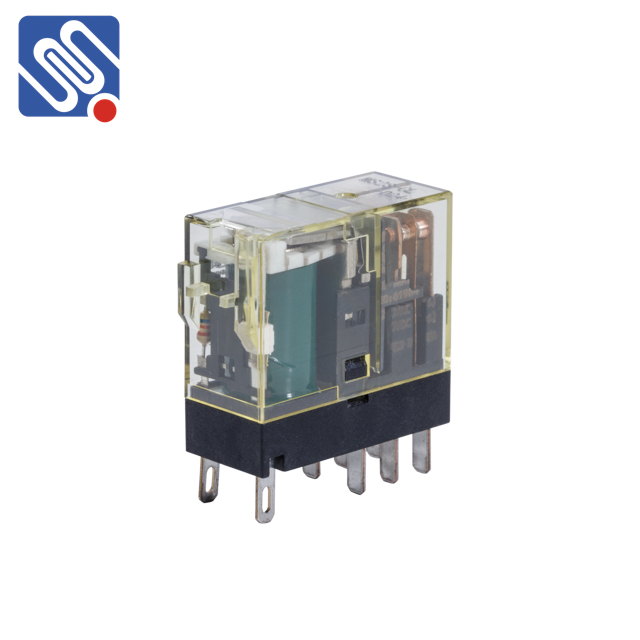
1. Electrical Parameters: Ensuring Compatibility The primary function of a relay is to control the switching of electrical circuits, so understanding the electrical parameters of the relay is critical. The first consideration when selecting a relay is the voltage and current ratings. The relay’s coil voltage should match the control circuit voltage, and the contact voltage and current ratings should correspond to the values expected in the system. If the relay is rated for lower voltage and current than required, it may lead to overheating, contact welding, or premature failure. Additionally, the contact configuration is important. Common configurations include normally open (NO) and normally closed (NC) contacts. NO contacts are open when the relay is unpowered and close when energized, while NC contacts are closed when the relay is unpowered and open when energized. The choice between NO and NC contacts depends on the control requirements of the system. For example, if you need to establish a connection when the relay is energized, a NO contact is suitable.