Relay type selection is a crucial step in ensuring the optimal performance, safety, and reliability of electrical systems. Relays are widely used in a variety of applications, ranging from industrial control systems to home appliances. The process of selecting the right relay involves understanding the type of load being controlled, environmental factors, electrical characteristics, and the specific requirements of the application. In this article, we will explore the key considerations for selecting a relay type and discuss the factors that influence this important decision.
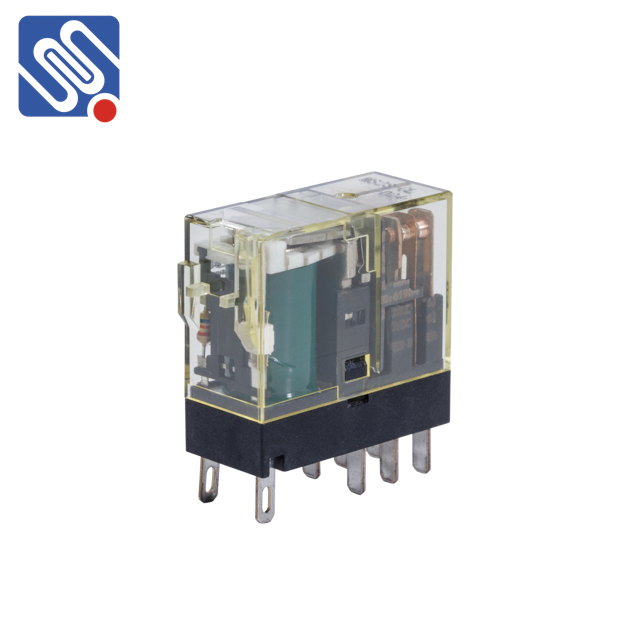
1. Understanding Relay Types Relays come in various types, each designed to perform specific functions based on the electrical characteristics of the load and the control system. Some of the most common types include: Electromagnetic Relays (EMR): These are the most common type of relays and rely on an electromagnet to physically open or close contacts. They are typically used in applications that require moderate switching capabilities and are ideal for controlling high-current circuits with low-power control signals. Solid-State Relays (SSR): Unlike electromagnetic relays, SSRs use electronic components (such as thyristors or triacs) to perform switching actions without any moving parts. They offer advantages such as faster switching, longer lifespan, and lower electromagnetic interference.