Relay type selection is a crucial aspect of designing and implementing electrical control systems. A relay is an electrically operated switch that allows a low-power circuit to control a high-power one. Choosing the right relay type ensures reliability, efficiency, and safety in various applications, ranging from industrial automation to consumer electronics. This article will explore the key factors that should be considered when selecting the appropriate relay type.
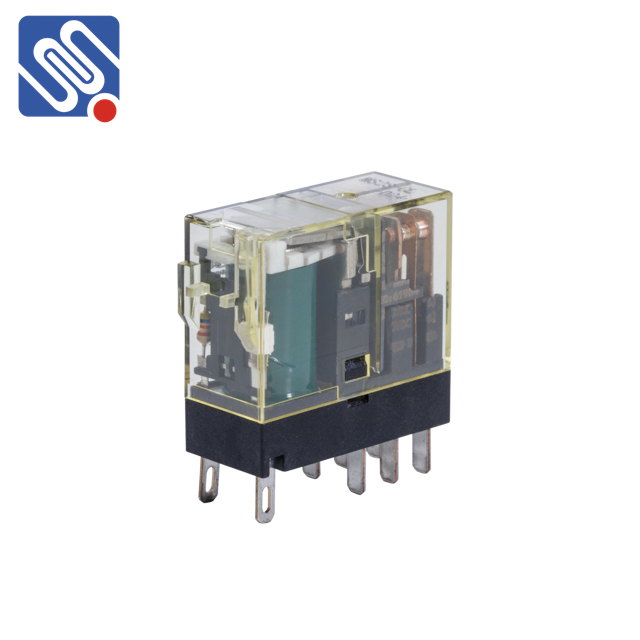
1. Understanding Relay Basics Relays operate using electromagnetic principles, with a coil that generates a magnetic field to open or close contacts. The contacts can either be normally open (NO), normally closed (NC), or a combination of both, depending on the relay type. Relays are designed to control the flow of electrical current in circuits and can be used for switching tasks such as controlling motors, lights, alarms, and other electrical devices. 2. Control Voltage: DC vs. AC
The first key consideration when selecting a relay is the control voltage, which refers to the voltage required to activate the relay coil. There are two main categories of relays based on the type of control voltage: direct current (DC) and alternating current (AC). DC relays are typically used in circuits that require steady current, while AC relays are designed for alternating current systems.