Relays are an integral component in electrical and electronic systems, offering the ability to control circuits remotely by using a low-power signal to switch a higher-power circuit. Their ability to provide isolation between control and load circuits makes them invaluable in various applications, from simple household devices to complex industrial systems. Understanding the different relay types is essential for selecting the most appropriate one for specific use cases. This article explores the various relay types commonly used in modern systems.
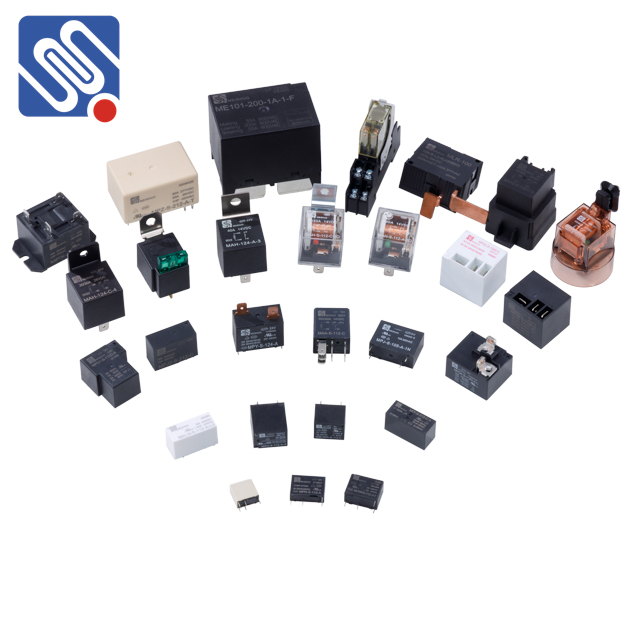
1. Electromechanical Relays (EMR) Electromechanical relays (EMRs) are the most traditional type of relay. They operate based on an electromagnetic coil that generates a magnetic field when current flows through it. This magnetic field attracts an armature, which moves to open or close the contacts, thereby controlling the flow of electricity in the circuit. Advantages: Reliability: Due to their simple mechanical design, EMRs are highly reliable. Cost-Effective: They are relatively inexpensive and can handle moderate load currents. Disadvantages: Wear and Tear: Since they use physical contacts, they can wear out over time, leading to failure.