Relays are crucial components in many electrical and electronic systems, serving as electrically operated switches that allow the control of high-power devices with low-power signals. With their ability to automate and safeguard electrical circuits, relays are integral in everything from household appliances to industrial machines. In this article, we will explore the different relay types, their working principles, and their applications.
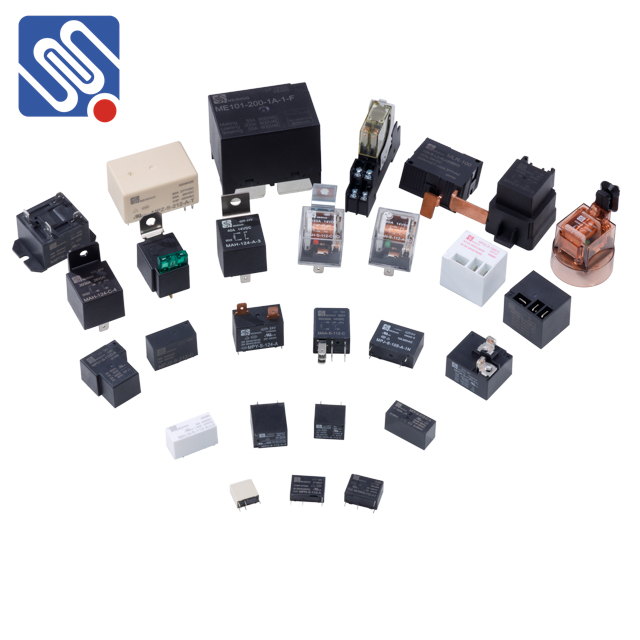
1. Electromagnetic Relays The most common type of relay, the electromagnetic relay, operates through the use of an electromagnetic field to open or close contacts. When an electric current passes through a coil (or winding), it creates a magnetic field that pulls an armature, which in turn opens or closes the relay’s contacts. Applications: Electromagnetic relays are widely used in various applications such as switching devices, motor control, and other high-power switching systems. They can handle substantial current and voltage levels, making them perfect for larger electrical circuits.