In a modern car, electrical components play a vital role in ensuring smooth operations, from powering headlights and air conditioning to controlling the starter motor. Among the critical electrical components in any vehicle are relays and fuses, two devices that play distinct roles in managing power and protecting the vehicle’s electrical systems. Although they may seem similar at first glance, they serve very different purposes. This article explores the key differences between relays and fuses in a car, highlighting their unique functions, advantages, and applications.
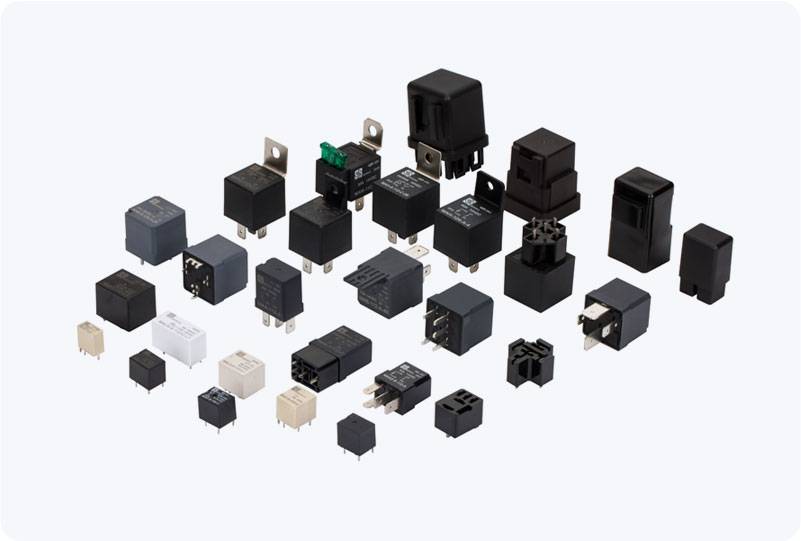
What is a Relay? A relay is an electrically operated switch used to control a circuit in a car, allowing a low-power signal to activate a higher-power device. It essentially serves as a switch for larger electrical currents, enabling control of various electrical components without directly connecting high-power circuits to the control system. In simpler terms, a relay acts as a signal handler for activating devices that require more power than the vehicle’s control system can directly supply. Relays are typically found in circuits that control power-hungry components, such as the headlights, starter motor, fuel pump, and air conditioning system. When you turn on a device, the relay uses a small electrical current to activate a much larger current to power the device. For example, when you press the button to turn on your car’s headlights, a small current flows through the relay’s coil, which in turn closes the contacts to allow the headlights to receive the full current they need to operate.