Reverse Osmosis (RO) technology has become one of the most efficient and widely used methods for water purification across residential, commercial, and industrial sectors. This method relies on a semi-permeable membrane that filters out impurities from water, providing clean, safe drinking water. One of the essential components in reverse osmosis systems is the Reverse Osmosis Solenoid Valve. This device plays a critical role in controlling the flow of water into the system, ensuring its optimal operation. In this article, we will explore the importance, functionality, and benefits of RO solenoid valves.
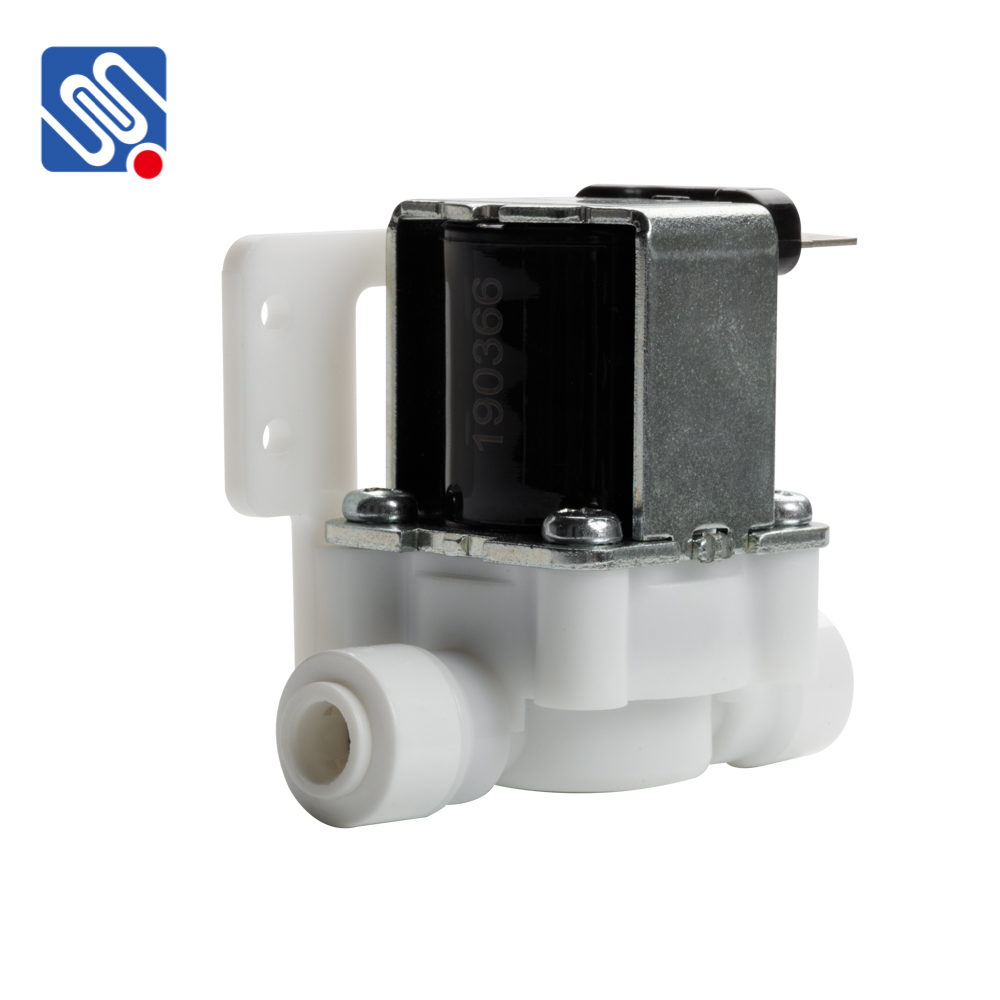
What is a Reverse Osmosis Solenoid Valve? A Reverse Osmosis Solenoid Valve is an electrically controlled valve that regulates the flow of water into an RO system. It is an integral part of the water filtration process, often located between the water source and the RO membrane. The valve uses an electromagnet to open or close based on electrical signals from the system, controlling when water enters and exits the filtration process. By automatically adjusting the water flow, it ensures the system operates efficiently and effectively, without wasting water or energy. The Functionality of the RO Solenoid Valve