In today’s rapidly evolving industrial world, environmental safety and regulatory compliance have become critical aspects of manufacturing and product design. One such regulation that has gained significant attention, especially in Europe and other global markets, is the RoHS (Restriction of Hazardous Substances) directive. For manufacturers of electrical and electronic devices, ensuring that their products are RoHS compliant is not just a legal obligation but also a step toward sustainability. One key component that must adhere to RoHS standards in various industrial systems is the solenoid valve. This article explores what RoHS compliant solenoid valves are, their significance, and how they contribute to a greener future.
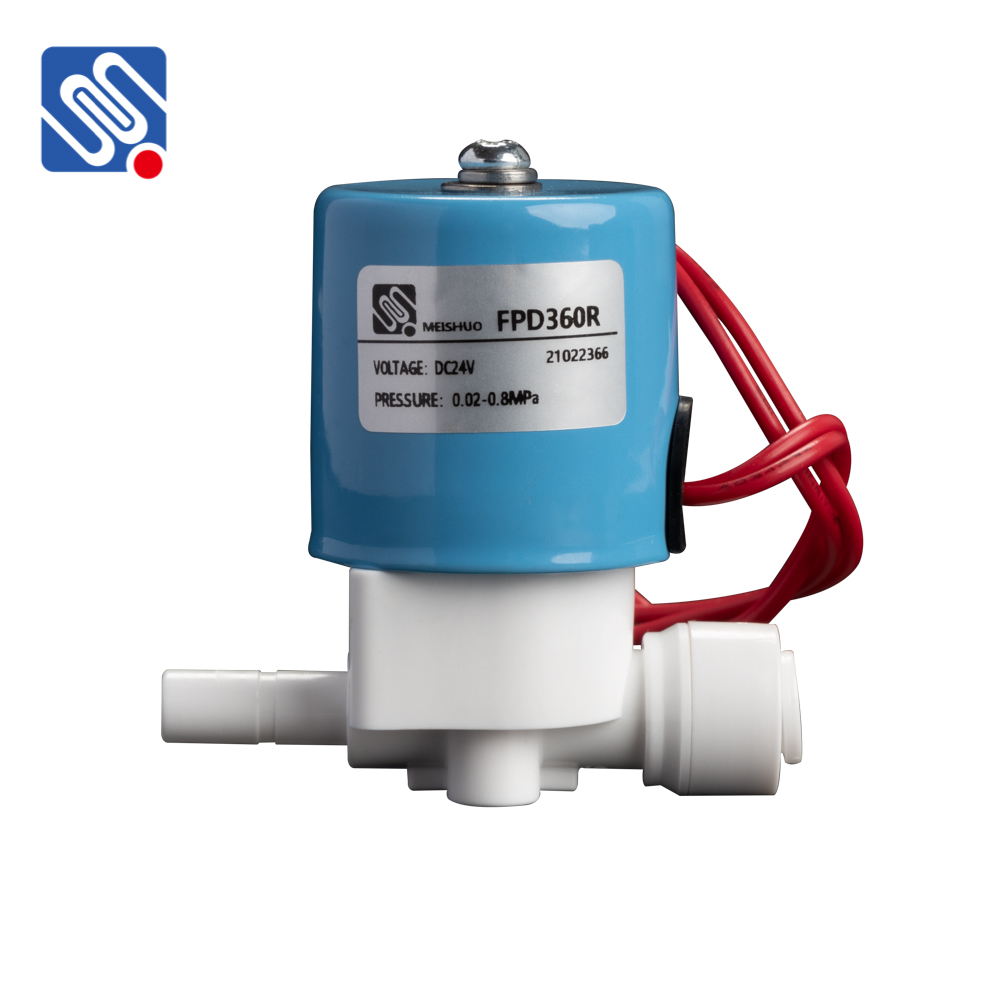
Understanding RoHS and Its Impact on Industry RoHS is a European Union directive aimed at reducing the environmental impact of hazardous substances used in electrical and electronic equipment. It restricts the use of certain dangerous materials such as lead (Pb), mercury (Hg), cadmium (Cd), hexavalent chromium (Cr6+), and two types of brominated flame retardants—polybrominated biphenyls (PBB) and polybrominated diphenyl ethers (PBDE). These materials, when improperly disposed of or mishandled, can cause significant damage to ecosystems and human health. RoHS-compliant products are designed to either eliminate or minimize the use of these hazardous substances, ensuring that they meet stringent environmental standards. For companies manufacturing products like solenoid valves, which are integral to fluid and gas control systems in various industries, meeting RoHS compliance is essential not only to meet legal requirements but also to demonstrate a commitment to sustainability and safety.