In industrial environments, the safety of workers is paramount. One essential tool to ensure that employees remain protected during equipment maintenance or repairs is the use of safety lockout tags. These simple yet highly effective devices are a critical component of a broader safety system known as Lockout/Tagout (LOTO), which is designed to prevent equipment from being accidentally activated while maintenance is being carried out. This article explores the importance, implementation, and best practices surrounding safety lockout tags and why they are crucial for protecting workers in high-risk industries.
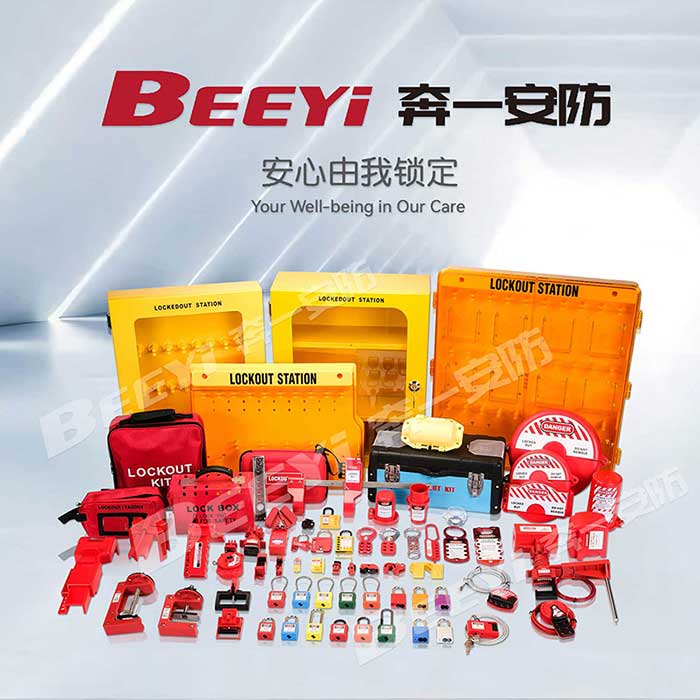
What Are Safety Lockout Tags? A safety lockout tag is a visual warning device that accompanies a physical lock, placed on machines or equipment that are being serviced. The lockout tag serves as a reminder that the equipment is locked out and cannot be operated until the maintenance or repair work is completed. These tags are often made from durable materials such as plastic or heavy-duty paper, designed to withstand the harsh environments found in factories, construction sites, or energy plants. The Role of Safety Lockout Tags in Workplace Safety The primary function of safety lockout tags is to prevent the unintended operation of machinery during maintenance. If maintenance is being performed on a machine, an employee installs the tag and a lock, rendering the equipment inoperable. This prevents others from mistakenly attempting to start the machine, which could result in serious injuries or fatalities.