In industrial environments, the safety of personnel and equipment is paramount. A critical component of maintaining that safety involves ensuring that safety valves, which control pressure and prevent dangerous system failures, are properly managed. One effective way to do this is through the application of Safety Valve Locks. These devices are designed to prevent unauthorized or accidental operation of safety valves, ensuring that systems are in a secure state until they are intentionally operated by authorized personnel. In this article, we will explore the Safety Valve Lock application, its purpose, importance, and benefits in industrial settings.
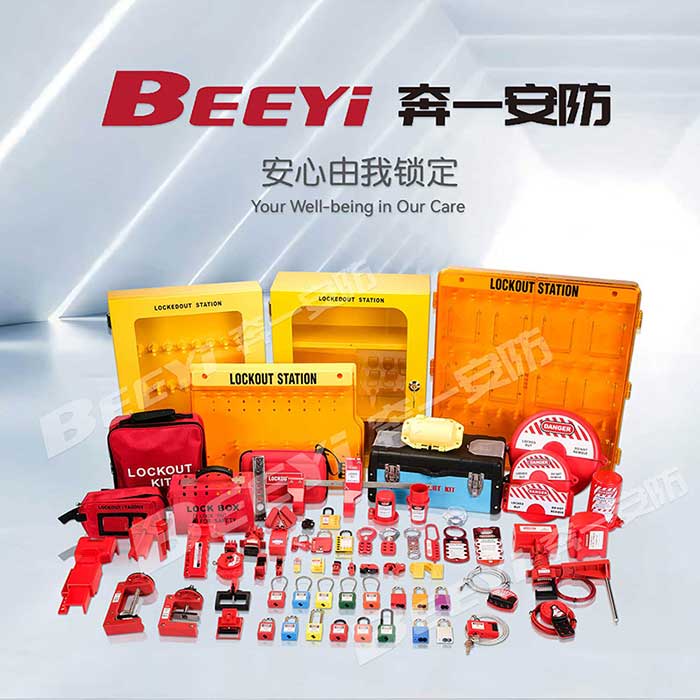
What is a Safety Valve Lock? A Safety Valve Lock is a mechanical device that secures safety valves, pressure relief valves, or shutoff valves in a locked position. These locks prevent accidental or unauthorized valve activation, ensuring that the valve cannot be opened, adjusted, or tampered with until a designated individual has the authority to do so. Safety valve locks are used in systems that handle high-pressure liquids, gases, or other potentially hazardous materials where maintaining proper pressure control is essential for safety. Purpose and Application The primary purpose of a Safety Valve Lock is to prevent unwanted or accidental operation of safety valves. In many industries, such as oil and gas, manufacturing, pharmaceuticals, and chemical processing, pressure relief or safety valves are critical components that protect against the risk of overpressure, which can result in dangerous equipment failure or catastrophic accidents. For instance, a sudden and unplanned release of pressure from a pipeline or vessel could lead to explosions, chemical spills, or injuries.