A solenoid valve for liquid control is an electromechanical device designed to regulate the flow of liquid in a system. It operates based on the principle of electromagnetism, where an electric current passing through a coil generates a magnetic field, enabling the valve to open or close. This type of valve is crucial in various industries where precise and reliable control of liquid flow is necessary, from automation systems to water treatment plants. In this article, we will explore the working mechanism, types, applications, and advantages of solenoid valves for liquid control.
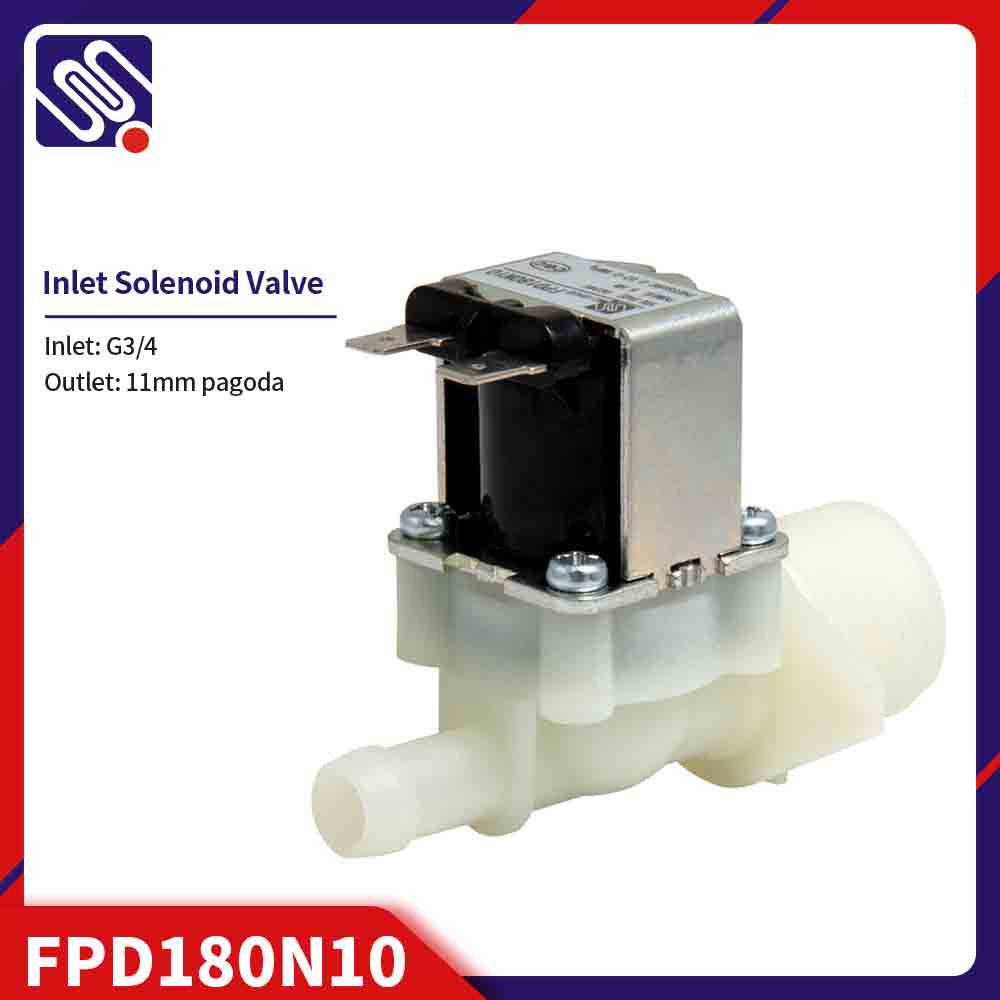
1. Working Mechanism of Solenoid Valves for Liquid Control A solenoid valve consists of several key components: a solenoid coil, a plunger, a valve body, and a spring. When electrical power is applied to the solenoid coil, it generates a magnetic field that pulls or pushes the plunger, causing the valve to either open or close. This action controls the flow of liquid through the valve. Once the power is switched off, the spring mechanism returns the valve to its original position, either opening or closing the flow, depending on the type of valve used. The solenoid valve operates by either allowing or restricting the flow of liquid, and it is typically used for quick and accurate switching of the fluid’s path. The quick-response nature of solenoid valves makes them ideal for automation, where real-time control is vital.