In recent years, the demand for reliable, efficient, and long-lasting electrical components has increased, particularly in high-voltage (HV) applications. A key advancement in this area is the development of the Solid-State HV Relay, a type of relay that operates using solid-state semiconductor technology rather than mechanical components. This innovation has transformed high-voltage control systems, offering enhanced reliability, speed, and durability. In this article, we will explore the functionality, benefits, applications, and future of the Solid-State HV Relay.
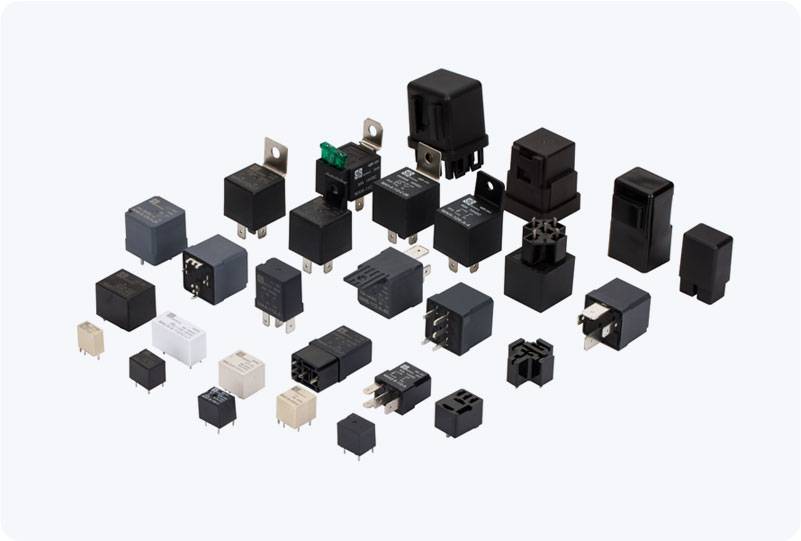
What is a Solid-State HV Relay? A Solid-State HV Relay is an electronic switching device used to control high-voltage circuits. Unlike traditional electromechanical relays, which rely on mechanical contacts to open or close the circuit, solid-state relays utilize semiconductor devices such as silicon-controlled rectifiers (SCRs), MOSFETs, or thyristors. These devices act as electronic switches that can be activated or deactivated without any physical movement, eliminating the need for mechanical contacts that wear out over time. The operation of a solid-state HV relay involves applying a control signal to the semiconductor components, which then regulate the flow of electricity in the circuit. This allows the relay to switch high-voltage currents on and off quickly and precisely, offering a level of performance that traditional mechanical relays cannot match.