Solid-State HV Relay: Revolutionizing High-Voltage Switching with Reliability and Speed
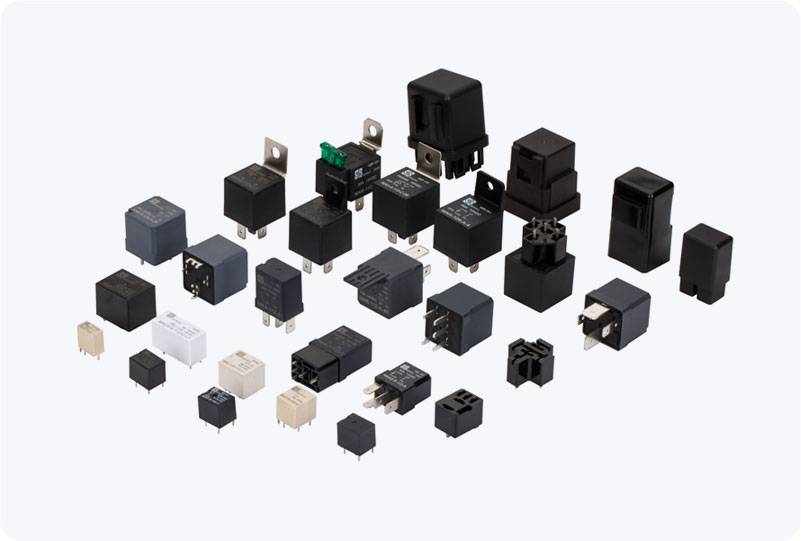
In today’s rapidly advancing technological world, the demand for reliable, efficient, and safe electrical components has never been higher, particularly in high-voltage systems. The Solid-State High-Voltage (HV) Relay is a breakthrough innovation that meets these demands. This article delves into the fundamentals of Solid-State HV Relays, exploring how they work, their advantages, and their applications in various industries. What is a Solid-State HV Relay? A Solid-State HV Relay is an advanced type of relay used for switching high-voltage circuits. Unlike traditional electromechanical relays that rely on mechanical moving parts to open and close electrical contacts, Solid-State HV Relays use semiconductor devices such as transistors, MOSFETs, or IGBTs (Insulated-Gate Bipolar Transistor) to perform switching tasks. These components function without any physical contact, resulting in a highly efficient, durable, and fast-operating relay.