Solenoid valves play a pivotal role in controlling the flow of fluids and gases in numerous industries. With their ability to quickly and efficiently manage fluid movement, they have become a crucial component in systems ranging from industrial automation to irrigation. Among the variety of materials used in solenoid valve construction, stainless steel and plastic are the two most common choices. Each material offers distinct advantages and is suited to specific applications. This article delves into the differences between stainless steel and plastic solenoid valves, highlighting their materials, features, advantages, and ideal uses.
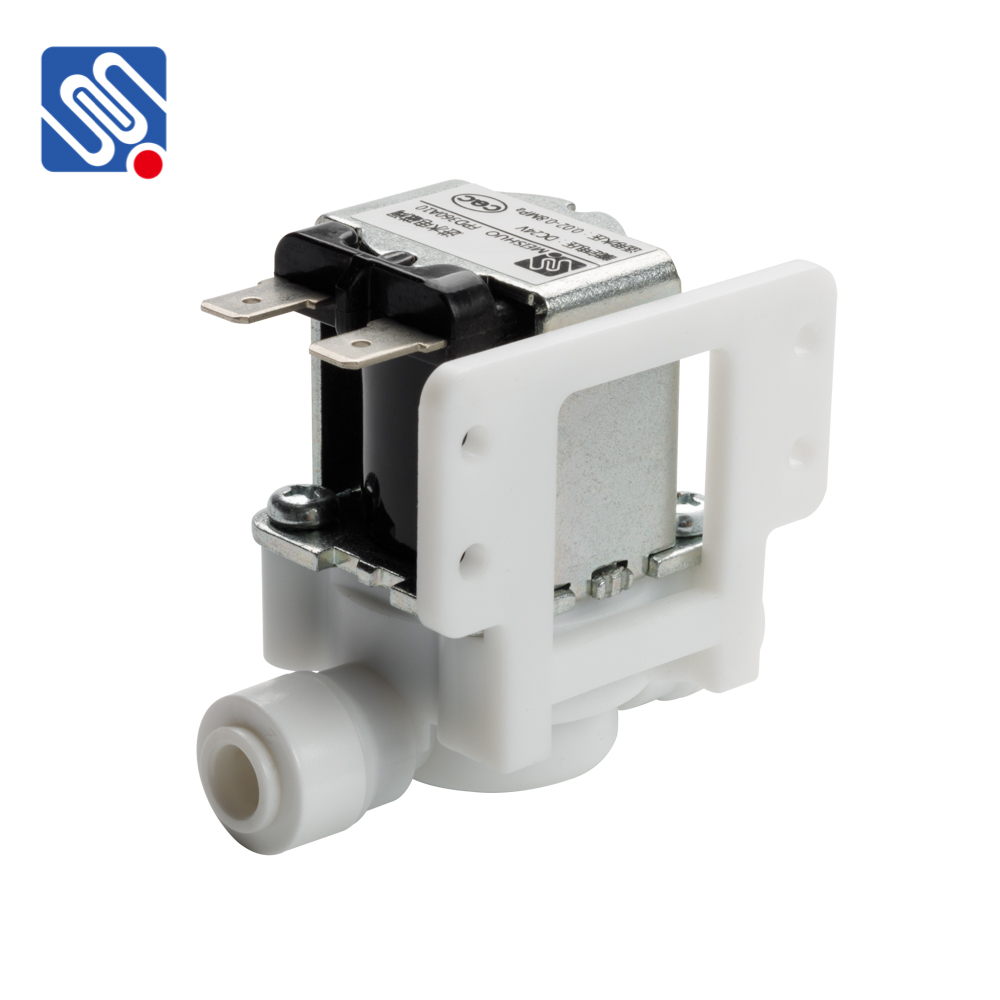
Stainless Steel Solenoid Valves: Durability and Strength Stainless steel solenoid valves are known for their robust performance and high durability. Made from a blend of chromium, nickel, and other metals, stainless steel is highly resistant to rust, corrosion, and staining. This makes it an ideal material for valves used in harsh, corrosive environments or those exposed to high temperatures and pressures. One of the key features of stainless steel solenoid valves is their strength. These valves can withstand high-pressure environments without compromising performance. Whether it’s used in the chemical industry, food processing, or pharmaceutical applications, stainless steel solenoid valves are engineered to last longer and endure the rigorous demands of industrial systems. Their resistance to high temperatures and corrosive fluids makes them a popular choice in industries that involve aggressive chemicals or extreme environmental conditions.