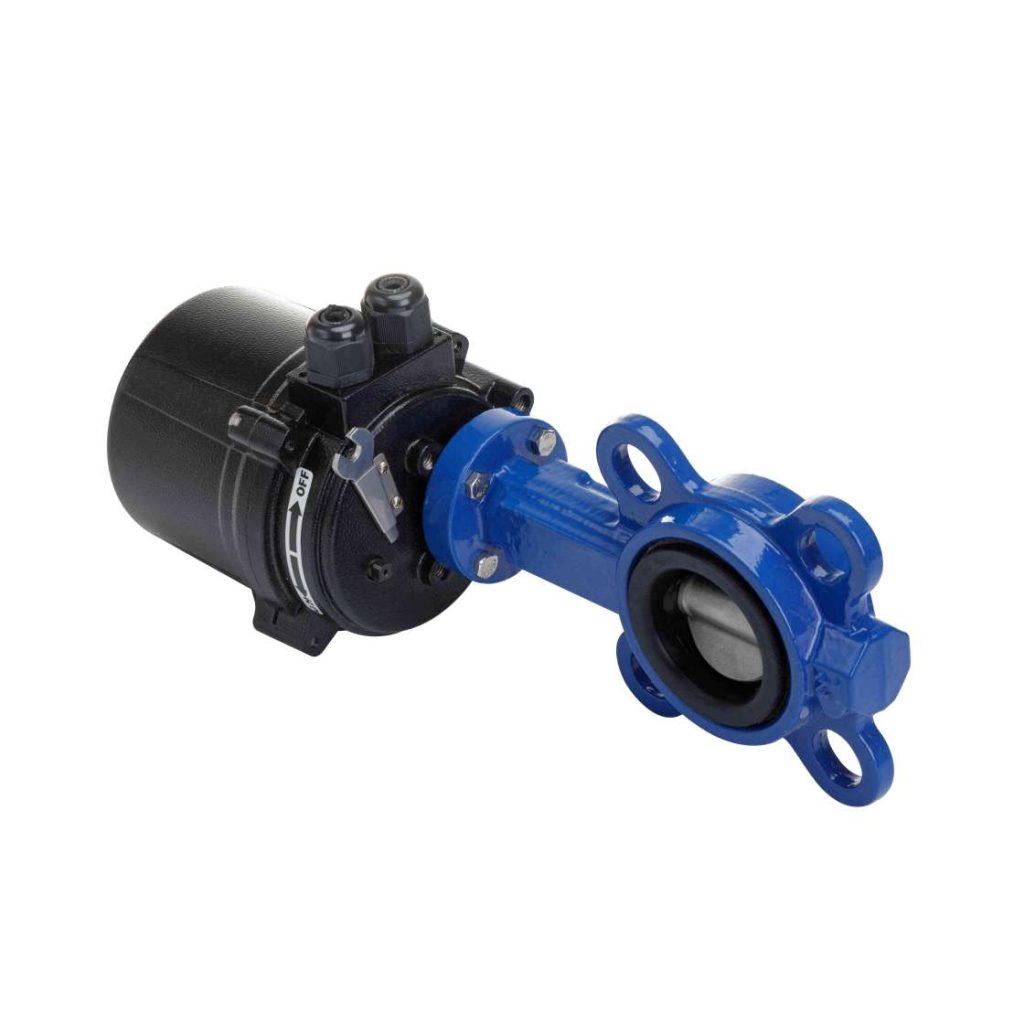
Agricultural irrigation plays a vital role in ensuring crop growth and maintaining optimal water usage. With growing concerns over water conservation and efficient resource management, advanced irrigation systems are becoming increasingly popular. Among the essential components of modern irrigation systems, the Stainless Steel Electric Butterfly Valve has emerged as an important technology for automating and optimizing water flow. This article explores the key features, benefits, and applications of stainless steel electric butterfly valves in agricultural irrigation systems.
What is a Stainless Steel Electric Butterfly Valve?
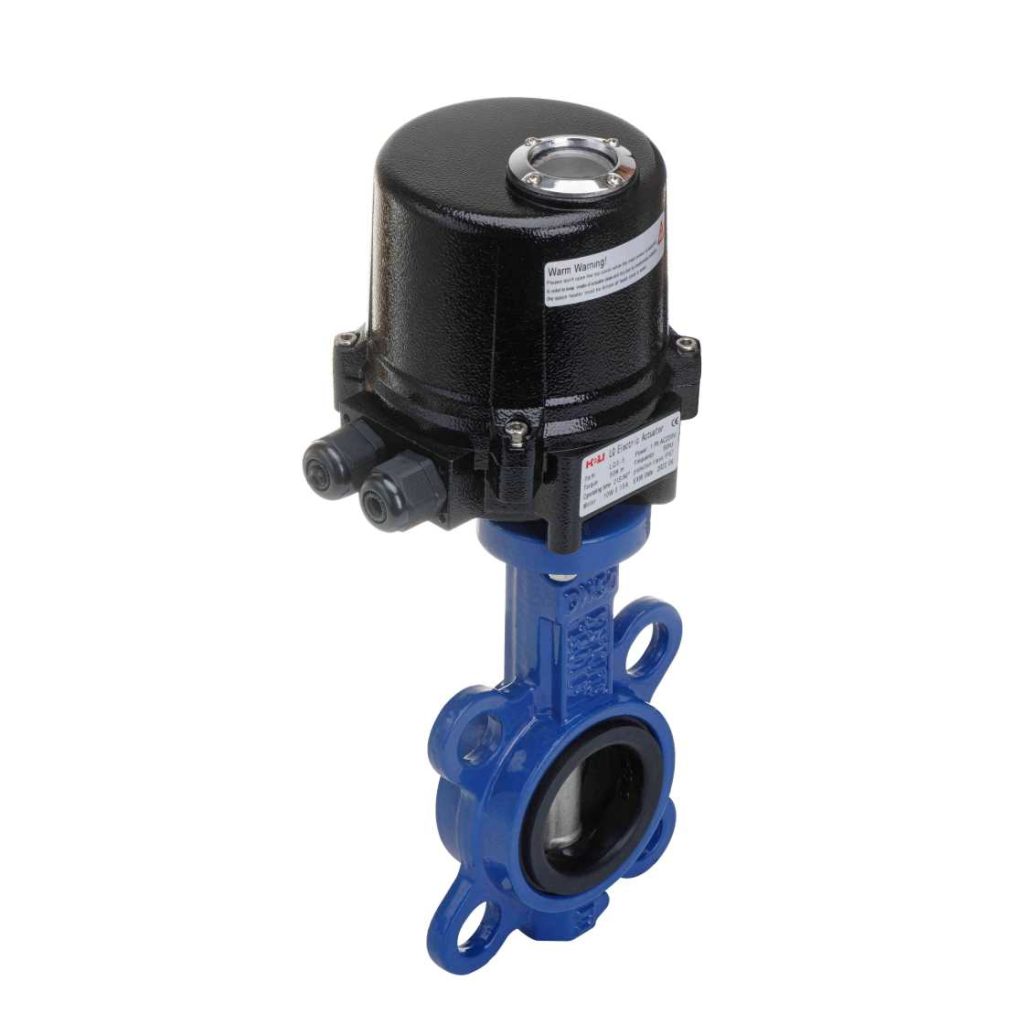
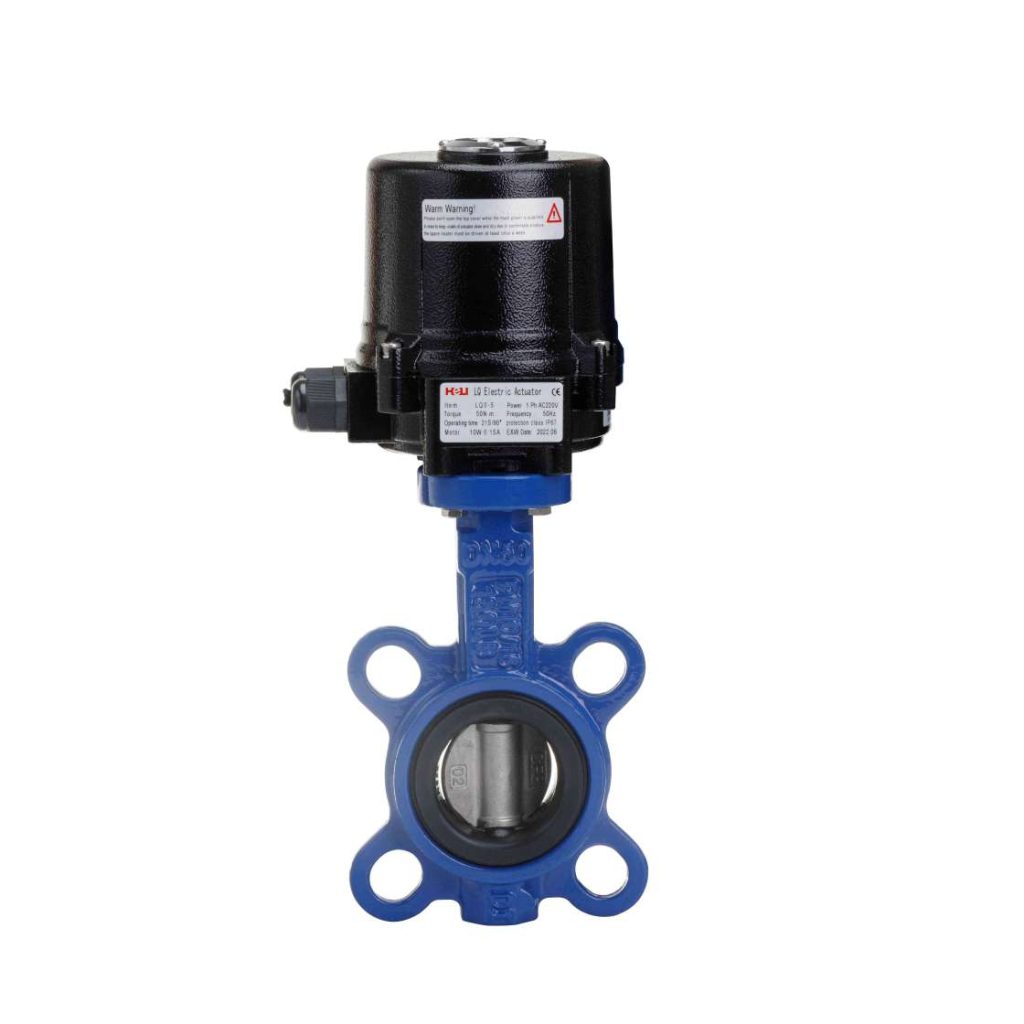
A stainless steel electric butterfly valve is a device used to regulate and control the flow of water or other liquids in an irrigation system. It is composed of two primary parts: the butterfly valve, which is a type of valve with a rotating disc, and the electric actuator, which automates the opening and closing of the valve. The valve’s body is made of stainless steel, a material known for its resistance to corrosion, durability, and ability to withstand harsh environmental conditions. The butterfly valve functions by rotating its disc to either allow or block the flow of water. When the disc rotates 90 degrees, it adjusts the size of the opening, thus controlling the water flow. The electric actuator allows for remote operation, enabling farmers and irrigation managers to control the valve without manual intervention.