Lithium-ion batteries have become an integral part of modern technology, powering everything from smartphones to electric vehicles (EVs) and large-scale energy storage systems. As these batteries continue to evolve in terms of energy density and performance, ensuring their safety has become paramount. One key component that plays a crucial role in the safety and reliability of lithium-ion batteries is the Stainless Steel Lithium Battery Valve. This small but mighty component serves as a vital safety mechanism to protect the battery and its users from potential risks such as overpressure, leakage, or even catastrophic failure.
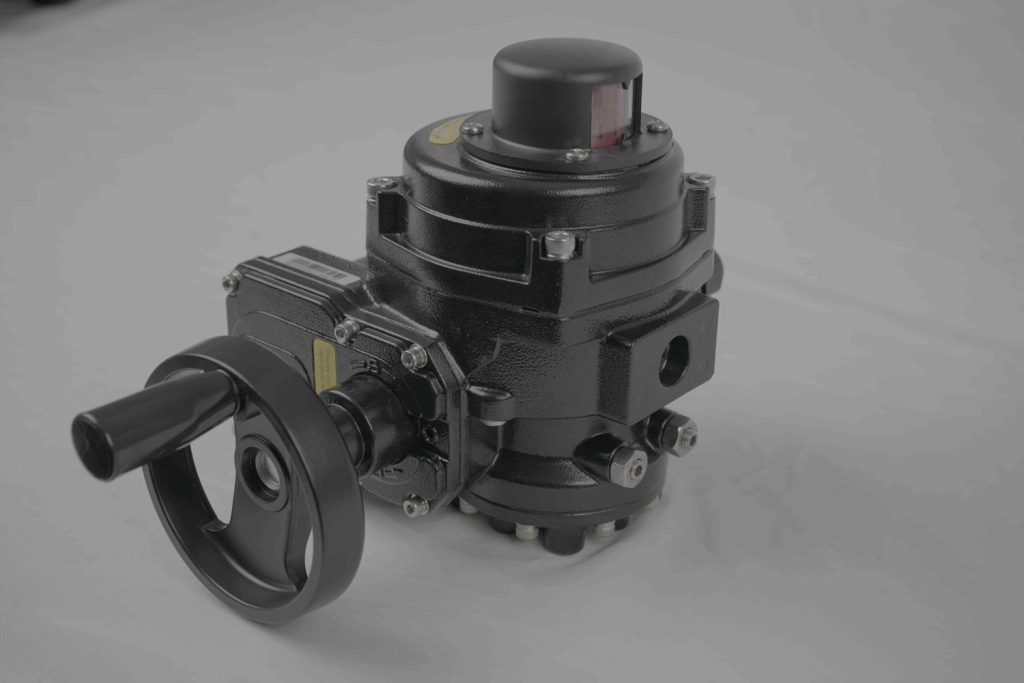
The Role of the Stainless Steel Lithium Battery Valve Lithium-ion batteries operate under high energy densities, which means that any internal malfunction, such as overcharging or short-circuiting, can lead to excessive gas buildup, overheating, or thermal runaway. If the pressure inside the battery increases beyond a safe limit, the structural integrity of the battery may be compromised, leading to dangerous situations. The Stainless Steel Lithium Battery Valve helps mitigate this risk by acting as a pressure relief valve. The valve is designed to open when the internal pressure reaches a certain threshold, allowing excess gas to escape in a controlled manner. This prevents the battery casing from bursting or rupturing, which could lead to leakage of hazardous materials or even fire. By regulating the internal pressure, the valve ensures the battery operates safely within its designed limits, significantly reducing the chances of a catastrophic failure.