In the rapidly advancing world of battery technology, ensuring safety and efficiency is paramount. One of the crucial components in this safety equation, especially for lithium-ion batteries, is the Stainless Steel Lithium Battery Valve. These valves play a critical role in maintaining the integrity of the battery, protecting it from dangerous situations like pressure buildup, leakage, or even explosions. This article delves into the functionality, materials, and applications of stainless steel lithium battery valves, highlighting their importance in modern battery designs.
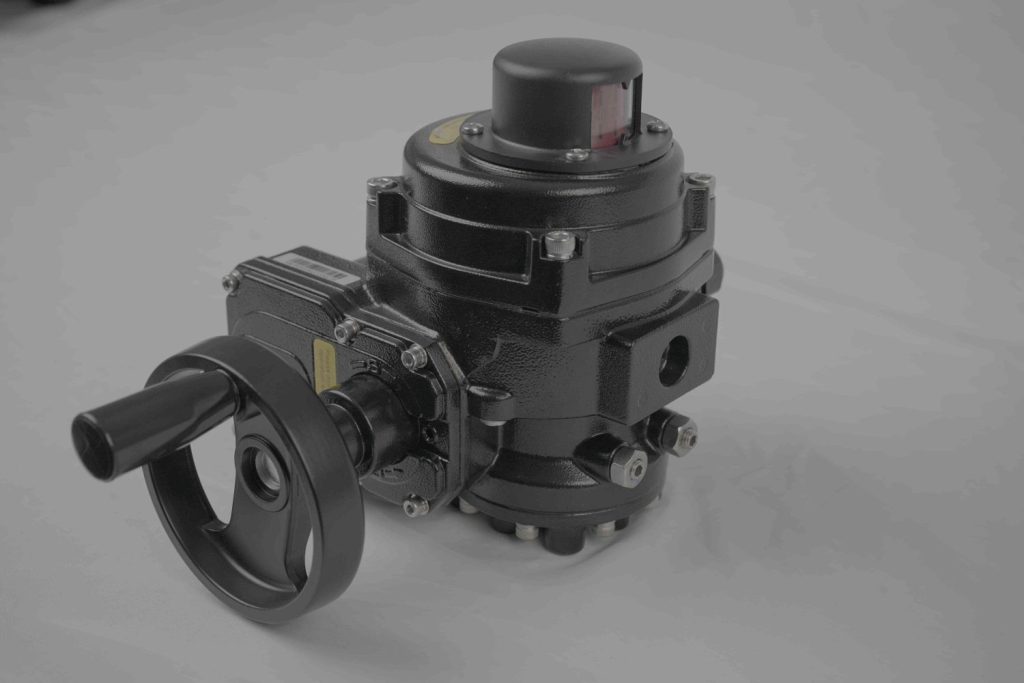
The Role of a Lithium Battery Valve Lithium-ion batteries, known for their high energy density and widespread use in various applications from smartphones to electric vehicles (EVs), are not without their risks. Under certain conditions, such as overcharging, internal short circuits, or excessive heat, the battery can experience a dangerous increase in internal pressure. If left unchecked, this pressure can cause the battery to swell, rupture, or even catch fire. To prevent these catastrophic events, a lithium battery valve is incorporated into the design of many lithium batteries. The valve is designed to open and allow gases to escape when the internal pressure exceeds a preset limit, thus preventing the battery from becoming over-pressurized. Without such a safety mechanism, the risk of battery failure is significantly higher, particularly in high-performance applications such as electric vehicles, renewable energy storage systems, and consumer electronics.