The transition to electric vehicles (EVs) is one of the most transformative advancements in the automotive industry. With the surge in demand for EVs, the infrastructure to support them has had to evolve. One critical component of this infrastructure is the Supercharger Relay, which plays a pivotal role in ensuring the safe and efficient charging of electric vehicles. In this article, we will explore what a Supercharger Relay is, how it works, and why it is crucial for the future of electric vehicle charging.
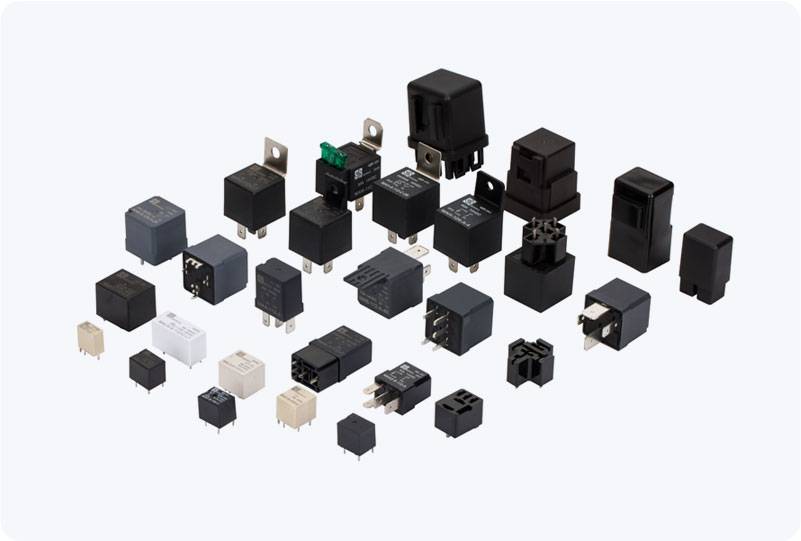
What is a Supercharger Relay? A Supercharger Relay is an essential electrical component used in high-power charging systems, specifically designed for electric vehicles. It acts as a switch that controls the flow of electrical power from a charging station to an electric vehicle’s battery. Supercharger Relays are typically found in fast-charging stations, like those in Tesla’s Supercharger network, where they manage large amounts of electrical current and ensure that the battery charging process is both quick and safe. When an electric vehicle is plugged into a charger, the Supercharger Relay ensures that the electrical connection is established securely. It helps facilitate the transfer of high-voltage and high-current power from the charging infrastructure into the vehicle’s battery pack. Without the proper functioning of the relay, the vehicle’s battery might not charge efficiently or, worse, could be damaged due to improper power management.