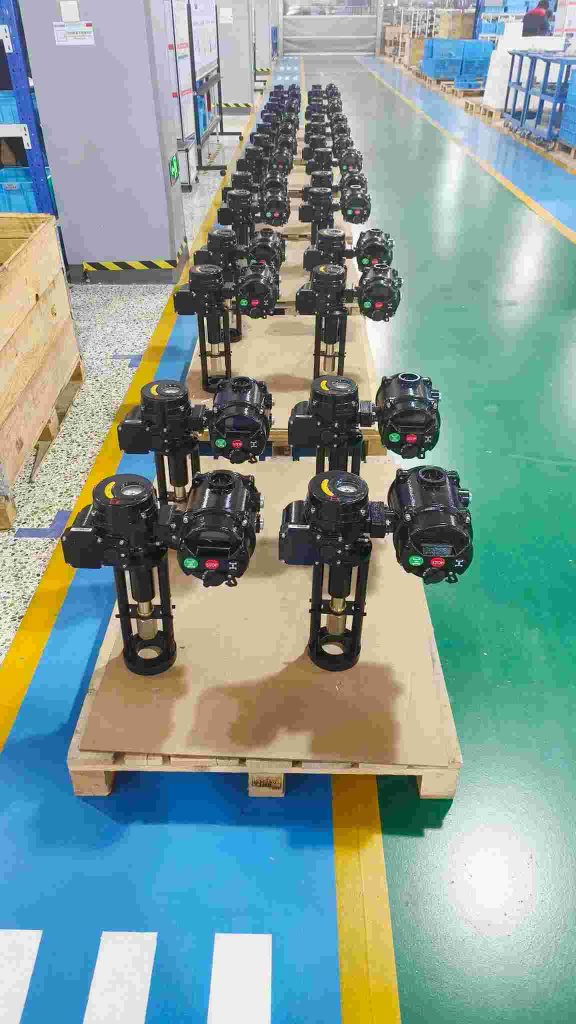
Intelligent Integrated Electric Actuators (IIEAs) represent a major advancement in the field of automation and control systems. These devices combine electric actuators with intelligent control capabilities, bringing enhanced performance, energy efficiency, and ease of integration into various systems. The development of intelligent integrated electric actuators addresses the increasing demand for more precise, adaptive, and energy-efficient solutions across industries. This article explores the key features, advantages, and diverse applications of IIEAs, shedding light on their impact in the modern technological landscape.
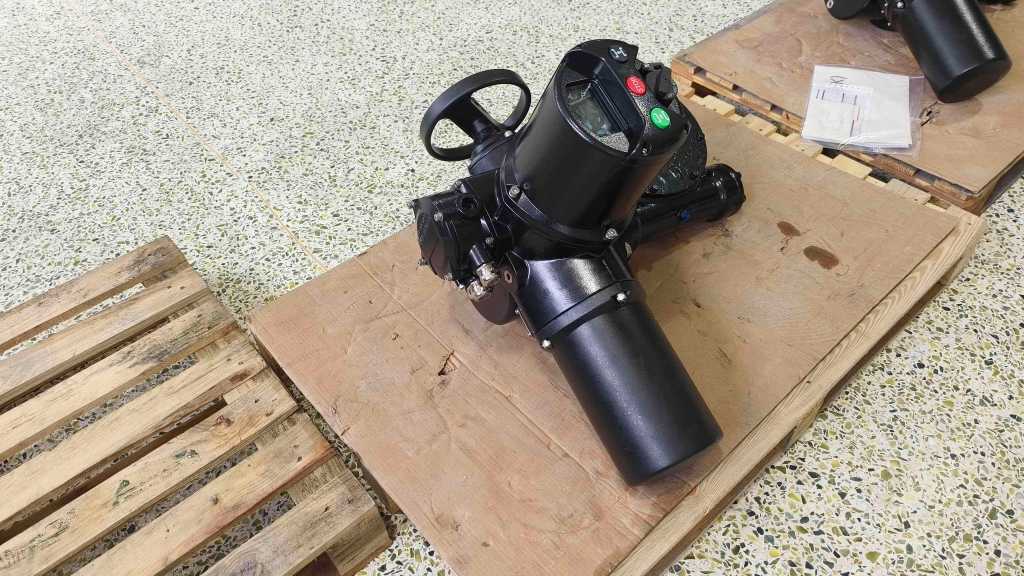
What is an Intelligent Integrated Electric Actuator?
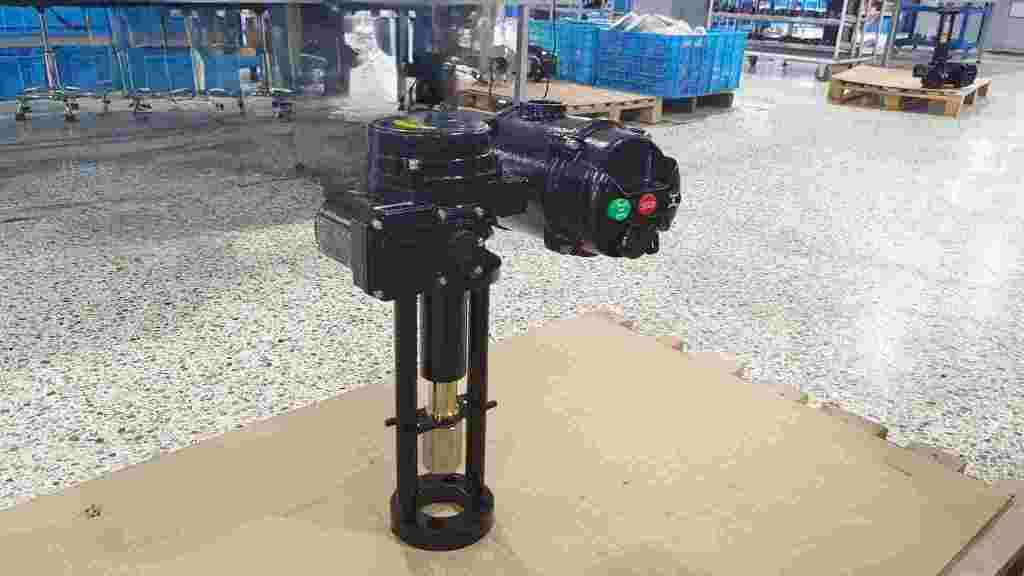
An Intelligent Integrated Electric Actuator (IIEA) is an electromechanical device that converts electrical energy into mechanical motion, used to automate mechanical processes. Unlike traditional actuators that primarily focus on mechanical movement, IIEAs integrate various components such as sensors, controllers, communication interfaces, and feedback systems into a single compact unit. This integration allows for smarter, more efficient operation, as the actuator can independently monitor and adjust its performance in real-time. IIEAs often incorporate features such as self-diagnostics, fault detection, and automated adjustment, making them far more intelligent than conventional actuators. These features help optimize the overall efficiency of the systems they are part of, reducing downtime and enhancing system reliability.