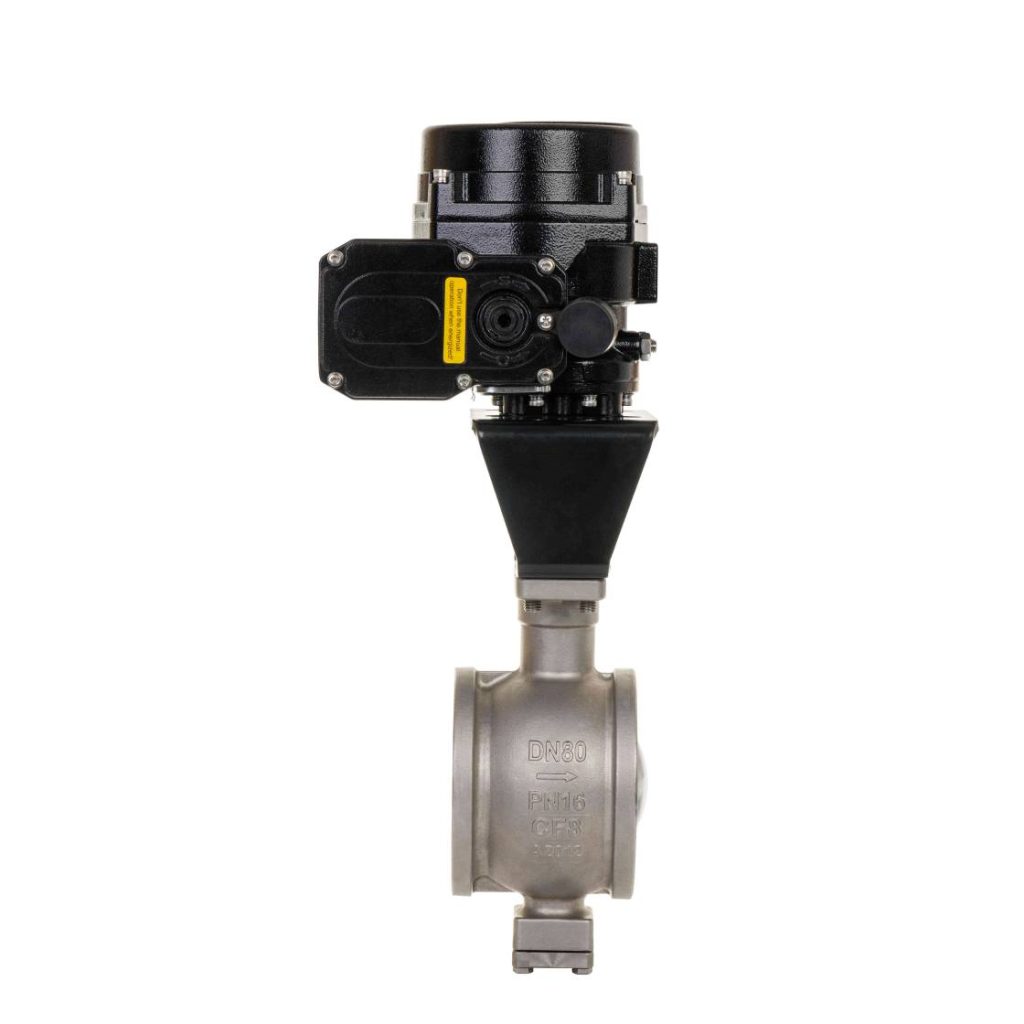
In the realm of industrial automation and fluid control, the stainless steel electric V-ball valve has emerged as a quintessential component that facilitates advanced regulation of fluid flow. This innovative valve design combines the reliability of stainless steel construction with the precision of electric actuation, resulting in superior performance across various applications. In this article, we will explore the key features, benefits, and typical applications of stainless steel electric V-ball valves.
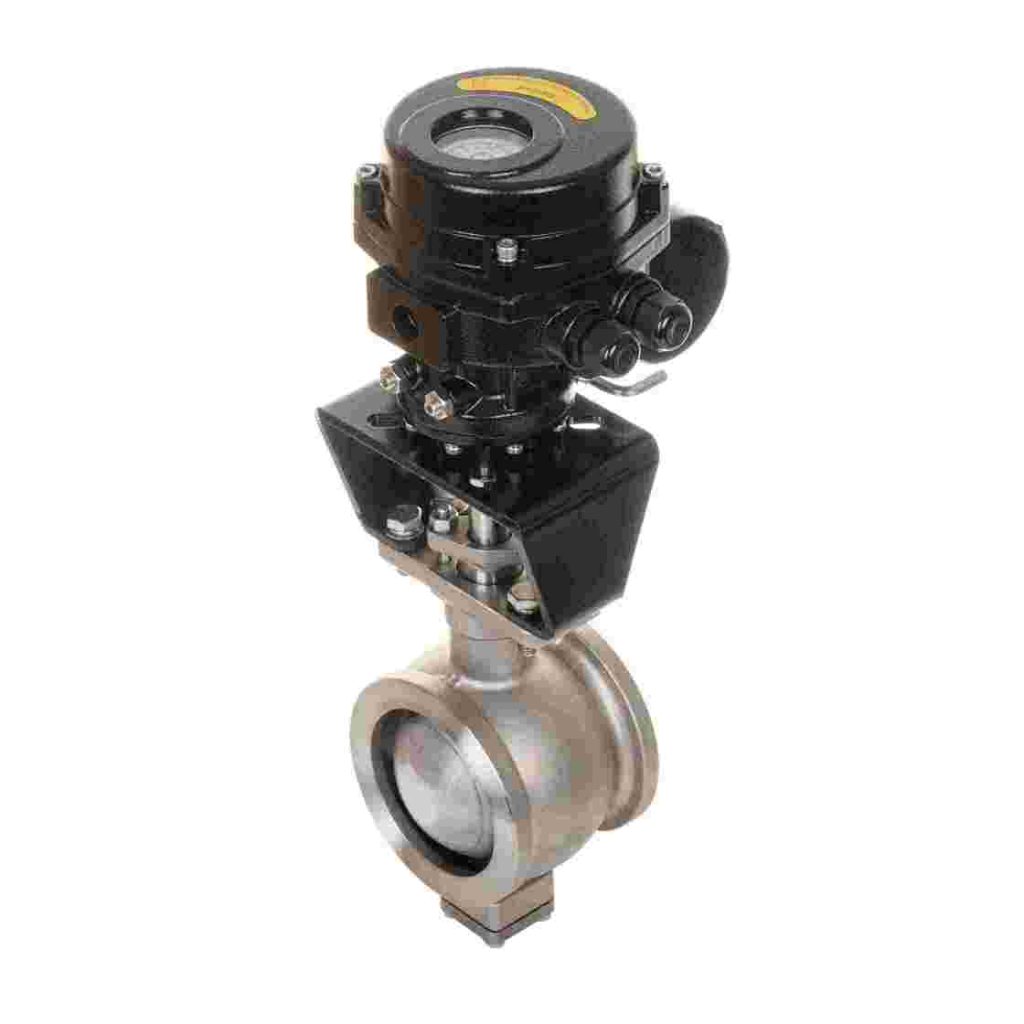
Introduction to Stainless Steel Electric V-Ball Valves
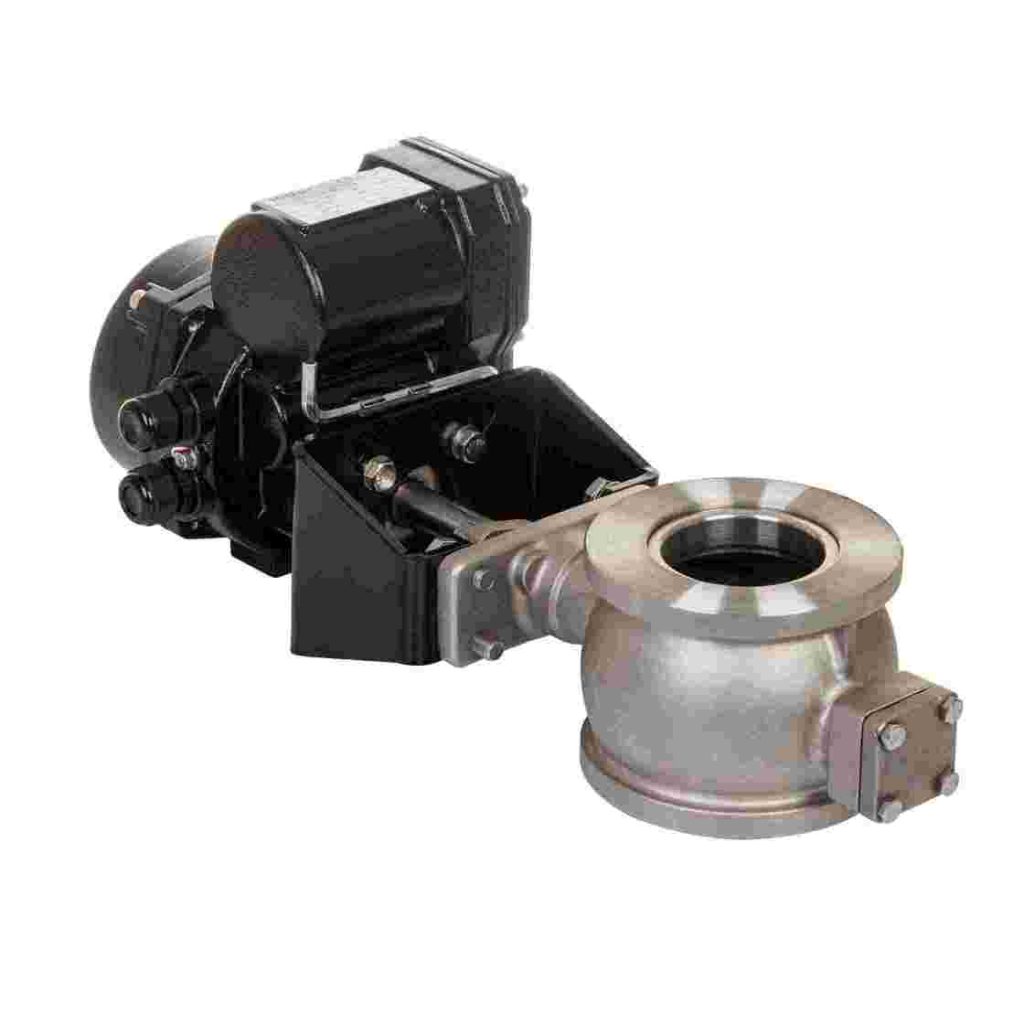
At its core, a V-ball valve features a ball with a V-shaped notch that allows for enhanced control over flow rates. Unlike traditional ball valves that exhibit an on/off function, the V-ball valve is designed for modulation, promoting a precise adjustment of fluid flow. This, coupled with an electric actuator, makes the stainless steel electric V-ball valve ideal for applications that require dynamic flow regulation. Construction and Design The materials used in manufacturing stainless steel electric V-ball valves are vital to their performance. Typically composed of either 304 or 316 stainless steel, these valves boast exceptional corrosion resistance, making them suitable for harsh environments and aggressive fluids. The durable construction not only extends the lifetime of the valve but also minimizes maintenance needs.