Safety lockout tags are an essential component of industrial safety systems, forming a crucial barrier between workers and potentially dangerous equipment. In environments where machinery, electrical systems, and industrial processes operate at high power levels, even a small mistake can lead to serious injuries or fatalities. Safety lockout tags—used as part of a broader Lockout/Tagout (LOTO) program—serve as a clear warning and control method to protect workers during maintenance, repair, and inspection activities.
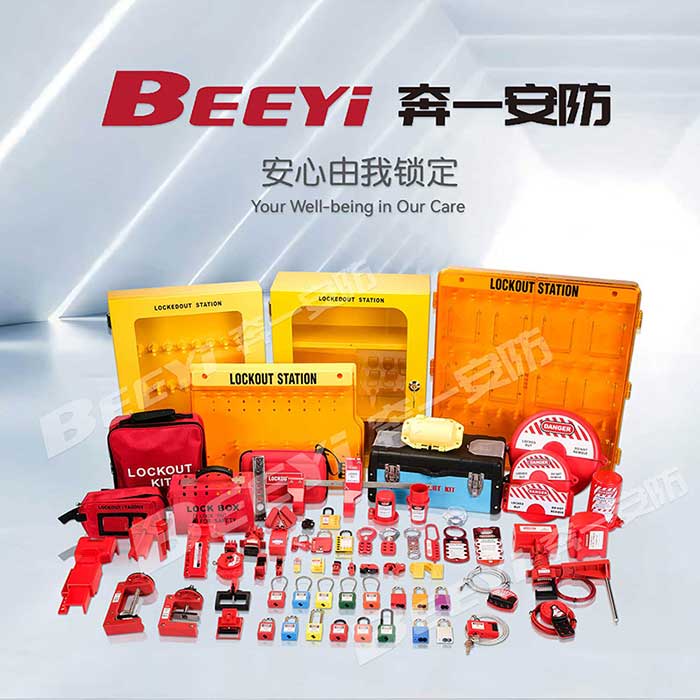
At their core, safety lockout tags are visual indicators placed on equipment switches, valves, or control panels to signal that the equipment has been locked out and must not be operated. They usually accompany a physical lock, which mechanically prevents the equipment from being re-energized while work is in progress. However, the tag itself also plays a significant role: it communicates key information, such as the name of the worker performing the maintenance, the time and date of lockout, the nature of the task, and explicit warnings not to operate the machinery. One of the defining characteristics of effective safety lockout tags is their durability. Industrial environments expose equipment to extreme temperatures, moisture, chemicals, dust, and mechanical impact. To remain legible and intact under these conditions, tags are typically made from strong, weather-resistant materials such as heavy-duty plastic, laminated cardstock, or metal. Their bright colors—often red, yellow, or orange—help attract attention even from a distance, and clear pictograms further reinforce the hazard message for multilingual or international workplaces.