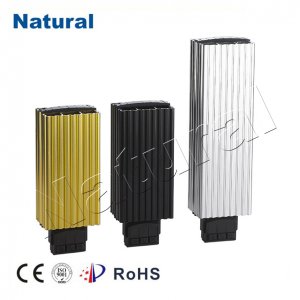
Element heaters, a cornerstone of heating technology, are widely used for their efficiency and simplicity. These devices convert electrical energy into heat through the use of heating elements, which are commonly made from materials like metal alloys. Element heaters are found in various applications, from household appliances to industrial equipment, providing effective and reliable heating solutions. In this article, we will explore how element heaters work, their different types, and the advantages they offer in everyday life.
How Element Heaters Work
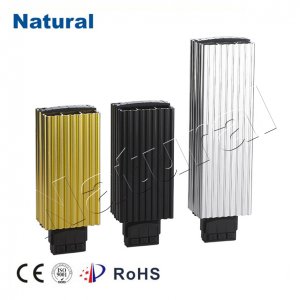
At the core of any element heater is a heating element, usually made from a metal such as nichrome (nickel-chromium alloy). When electrical current passes through the heating element, its resistance causes it to heat up. This heat is then transferred to the surrounding environment, either by radiation, convection, or conduction, depending on the design of the heater. In simple terms, when you plug in an element heater, electricity flows through the element, generating heat. The heat then disperses into the air, providing warmth for the room or space. This basic principle is at the heart of many everyday heating devices, such as space heaters, toasters, and even industrial furnaces.