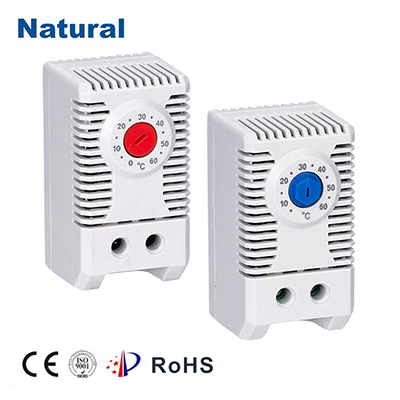
A bimetal thermostat is a crucial temperature regulation device found in a variety of applications, from household appliances to industrial machinery. It utilizes the principle of thermal expansion of two different metals, which expand at different rates when exposed to temperature changes. This difference in expansion causes the bimetallic strip to bend, which in turn activates or deactivates an electrical circuit, controlling the temperature of the device. This article delves into the working mechanism, applications, advantages, and limitations of the bimetal thermostat.
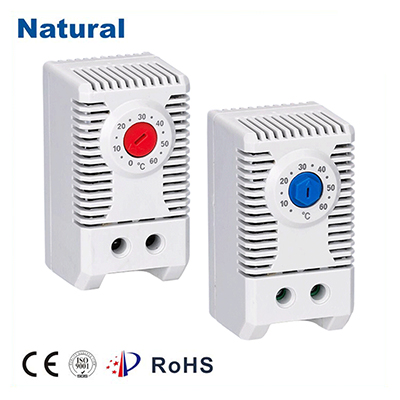
1. How It Works
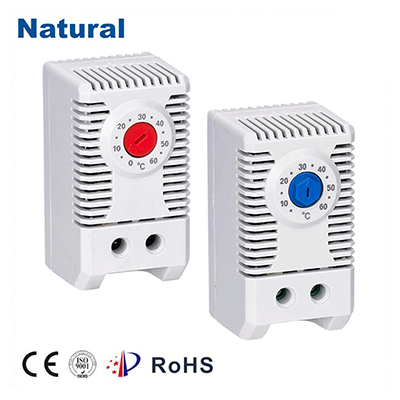
The key element of a bimetal thermostat is its bimetallic strip, which is made by bonding two different metals with distinct thermal expansion properties. When the temperature increases, the metal with a higher coefficient of expansion expands more than the other, causing the strip to bend. This bending action can either open or close an electrical contact, depending on the design of the thermostat. Typically, a bimetal thermostat operates in one of two modes: Snap-Action: The bimetallic strip bends to a critical point, snapping rapidly to a different position, which either opens or closes the circuit.