A one way solenoid valve is a crucial component in many fluid control systems, widely used in industries such as automation, hydraulics, pneumatics, and water treatment. It serves as a unidirectional control valve, allowing the flow of fluids in one direction while blocking the reverse flow. The ability to control the direction of fluid flow makes the one way solenoid valve essential in systems where backflow could lead to undesirable consequences, such as damage, contamination, or system malfunction.
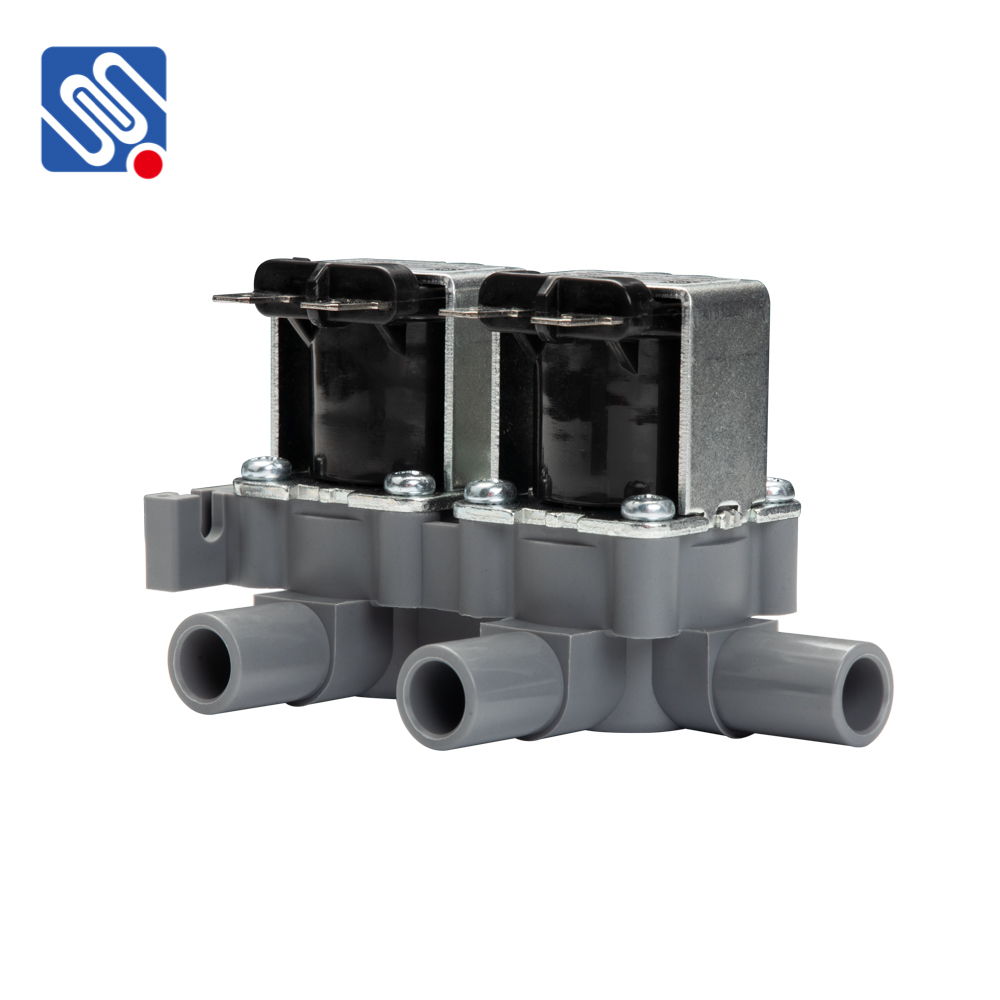
What is a One Way Solenoid Valve? A one way solenoid valve is an electromechanical device that controls the flow of a fluid (liquid or gas) through a pipeline. The valve is activated by an electric current passing through a solenoid coil. When the current is applied, it generates a magnetic field that moves a plunger or armature inside the valve. This movement either opens or closes the valve, allowing or blocking the flow of fluid. The unique feature of the one way solenoid valve is that it allows fluid to flow in only one direction and automatically blocks it when trying to flow in the opposite direction. This feature is vital for ensuring that fluids are directed precisely where they are needed, preventing backflow or reverse pressure from disrupting the system’s function.