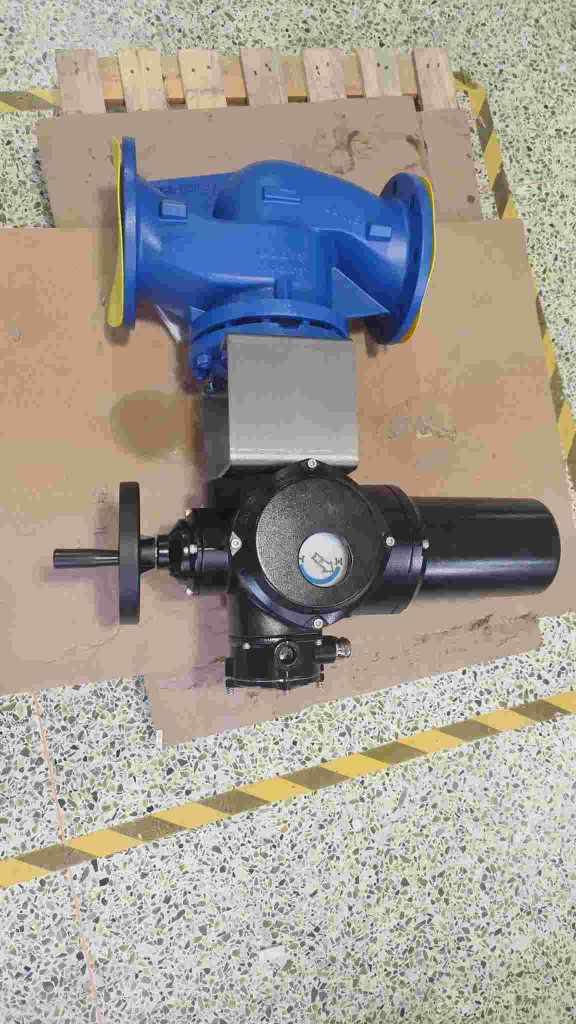
Electric Globe Valves are a crucial component in modern industrial systems, providing precise control over fluid flow and pressure regulation. Combining the reliability of globe valves with the efficiency of electric actuators, these valves are widely used across a range of applications where accuracy and reliability are paramount. In this article, we will explore the working principle, advantages, disadvantages, and key applications of Electric Globe Valves in various industries.
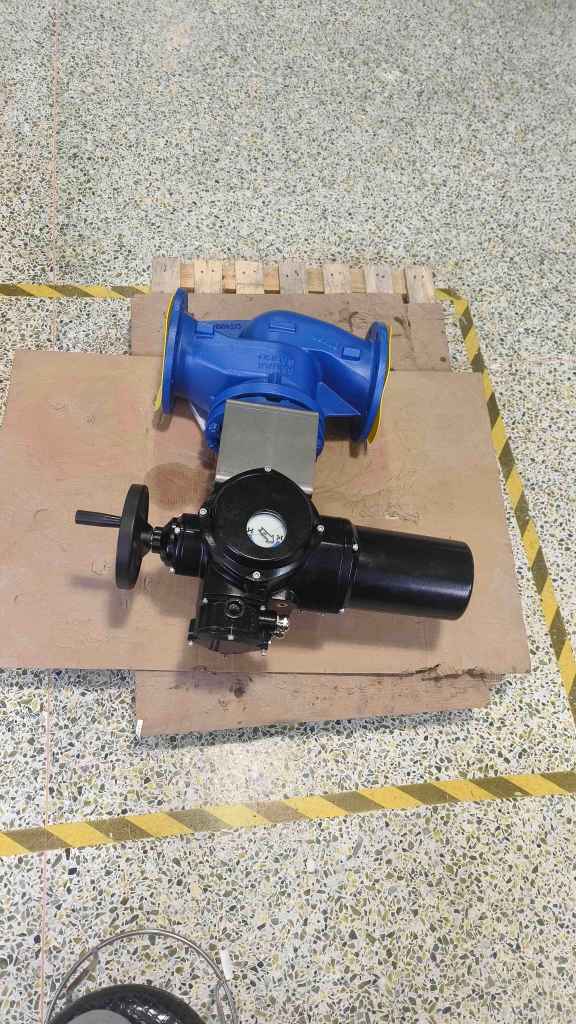
Working Principle of Electric Globe Valves
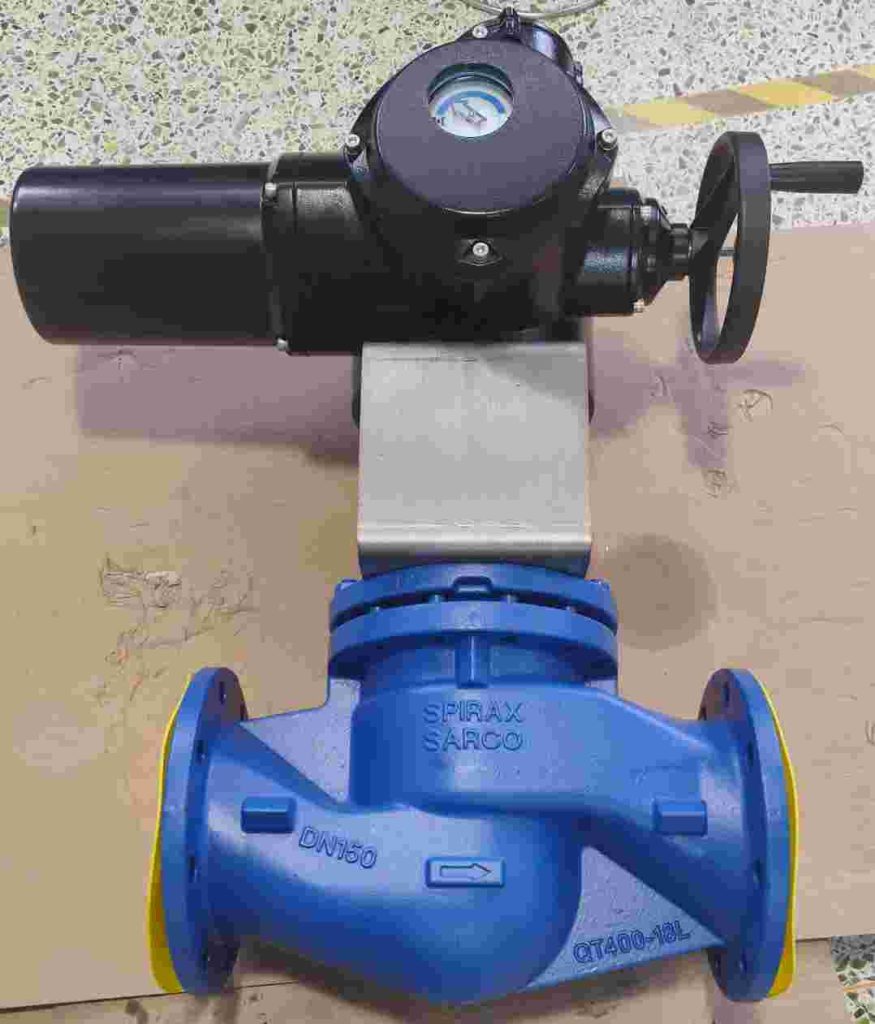
The Electric Globe Valve is a type of valve used to regulate the flow of liquids and gases within a system. The valve consists of a globe valve body combined with an electric actuator. The actuator is powered by electricity and operates the valve by converting electrical signals into mechanical movement. When the actuator receives a signal from a control system, it adjusts the valve’s internal mechanism, typically by moving the valve stem, which then opens or closes the valve to regulate fluid flow. Unlike traditional ball valves, which are mostly used for on/off control, globe valves are primarily designed for throttling purposes. This makes them ideal for applications where fluid flow needs to be continuously adjusted or fine-tuned. The electric actuator adds an additional layer of control, allowing for precise adjustments that can be monitored remotely.