Lockout/Tagout (LOTO) equipment is a vital part of workplace safety protocols, particularly in industries where machinery, electrical systems, or hazardous energy sources pose a significant risk to workers. The practice of lockout/tagout involves the use of specific devices to prevent equipment from being accidentally energized or turned on during maintenance, repair, or cleaning activities. This procedure protects workers from injuries, ensuring that dangerous machines and electrical systems remain deactivated while repairs are being performed. This article explores the importance of LOTO, the types of LOTO equipment, and how it contributes to a safer working environment.
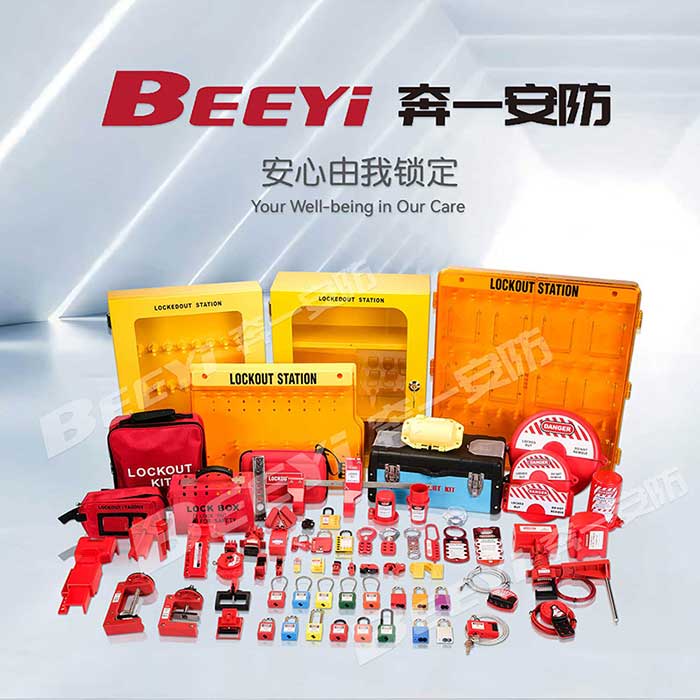
Understanding Lockout/Tagout (LOTO) The primary objective of Lockout/Tagout (LOTO) is to isolate hazardous energy sources and prevent unexpected startup or release of energy during maintenance work. These energy sources can include electricity, hydraulic pressure, steam, gas, or other forms of mechanical energy. If the proper safety protocols are not followed, workers may be exposed to life-threatening hazards such as electrocution, mechanical injuries, or chemical exposure. LOTO procedures are governed by strict safety standards, most notably those outlined by the Occupational Safety and Health Administration (OSHA) in the United States. These regulations mandate that employers must have clear procedures in place to ensure that all energy sources are properly isolated and that equipment cannot be inadvertently started up while maintenance work is being done.