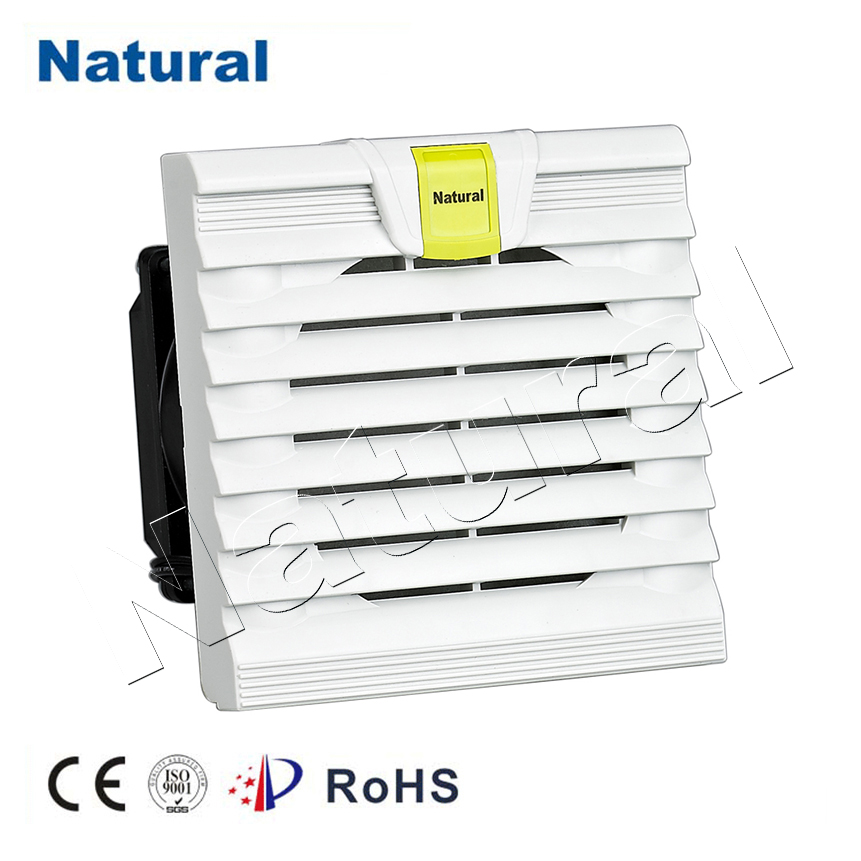
In today’s world, where electronic devices and systems are integral to our daily lives, maintaining proper functioning and longevity of these devices is paramount. One of the most critical factors in ensuring the efficiency and reliability of electronic systems, particularly in enclosed environments like server racks, industrial cabinets, and other enclosed spaces, is managing their internal temperature and air quality. Two devices that play a significant role in achieving this are the cabinet fan and the filter fan. Both serve unique but complementary functions, contributing to the optimal performance of equipment by providing adequate cooling and protecting the interior from harmful contaminants.
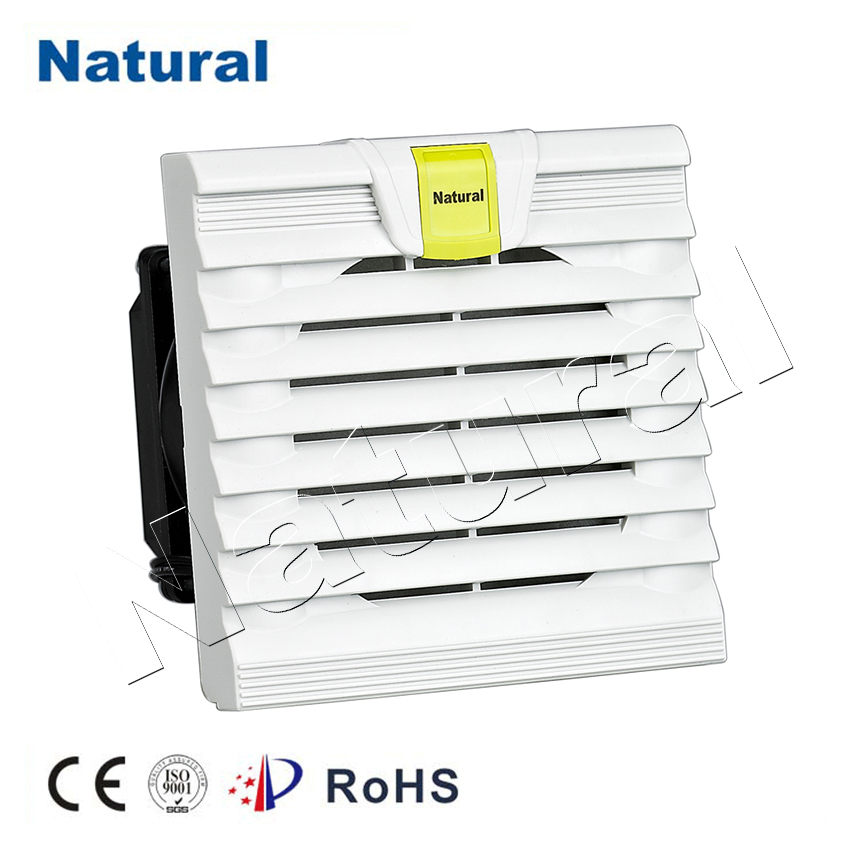
What is a Cabinet Fan?
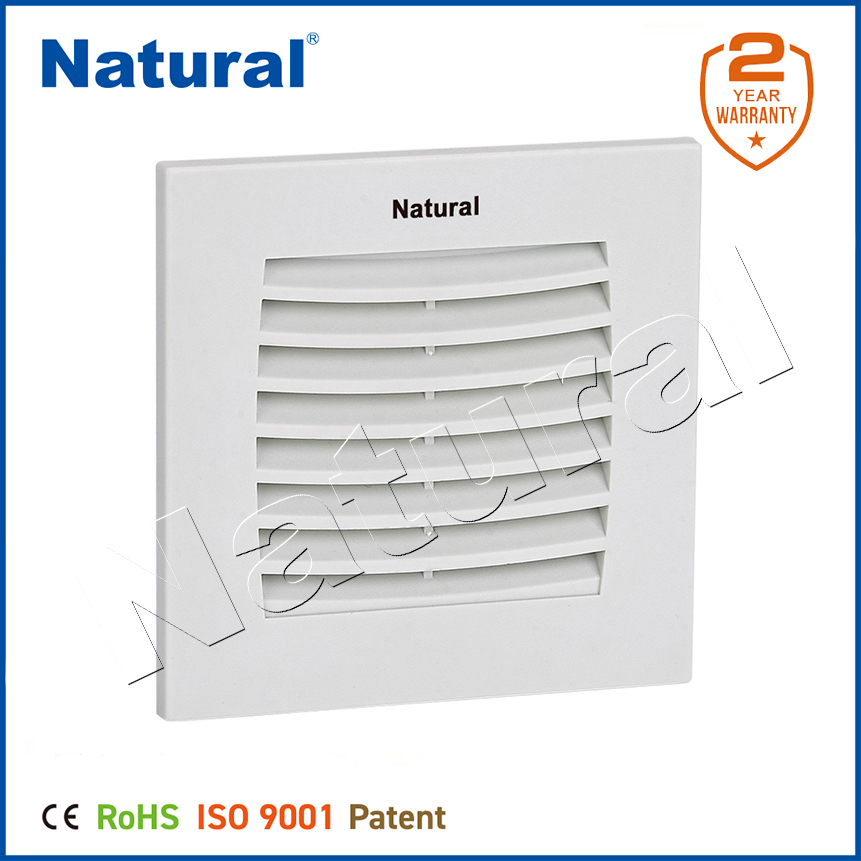
A cabinet fan is an essential component in modern electronic and industrial systems that require consistent temperature regulation. These fans are typically installed in server cabinets, industrial enclosures, or any equipment housing that generates heat during operation. The primary function of a cabinet fan is to facilitate proper airflow within the enclosure, effectively dissipating heat produced by internal components. In a cabinet or server rack, devices such as servers, switches, and other networked equipment generate heat as they process data and perform tasks. Without proper cooling, this heat buildup can result in thermal stress on the components, which could eventually lead to malfunctions or even permanent damage. Cabinet fans counteract this by pulling cool air into the enclosure and pushing out hot air, ensuring that the internal temperature remains within safe operating limits. These fans are typically mounted in the front or rear of the cabinet, helping to create a constant airflow throughout the system.