In industrial environments, safety is paramount. One of the most crucial safety practices to prevent workplace accidents is the use of equipment lockout tags. These tags are part of the lockout/tagout (LOTO) program, designed to protect workers during maintenance, repair, or servicing of machinery. Lockout tags ensure that equipment is properly de-energized and cannot be inadvertently activated, thereby reducing the risk of injury or death. This article explores the significance of equipment lockout tags, how they contribute to safety, and their role in compliance with safety regulations.
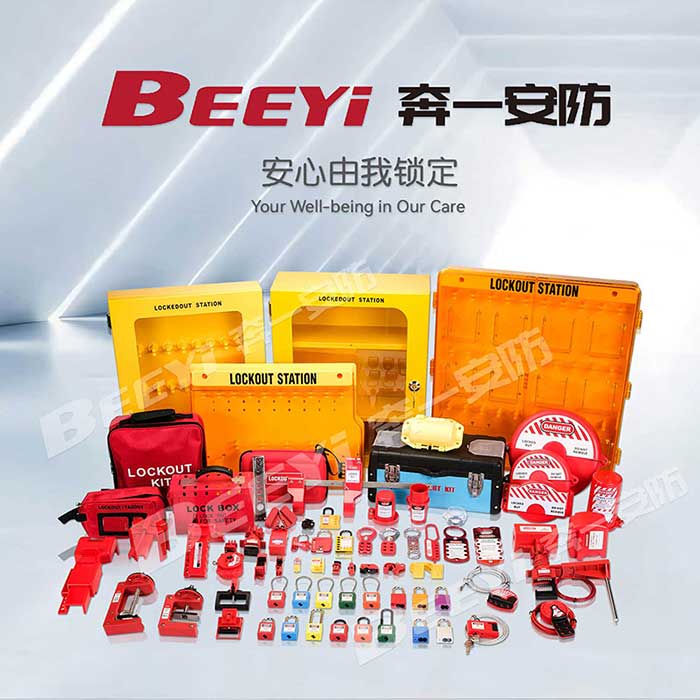
What are Equipment Lockout Tags? An equipment lockout tag is a safety device used to warn others that a machine or equipment is locked and should not be operated until it has been properly inspected or repaired. These tags are typically used in conjunction with a lockout device, such as a lock or a hasp, to prevent the accidental release of energy from machinery. Lockout tags are often brightly colored and feature clear warning messages, including the reason for the lockout and the identity of the person responsible for the maintenance. The Role of Lockout Tags in Workplace Safety
The primary function of equipment lockout tags is to prevent accidents caused by unexpected machine startup. Many industrial machines store energy in various forms, including electrical, mechanical, hydraulic, and pneumatic energy. If these machines are not properly locked out and tagged, there is a risk of these stored energies being released unexpectedly, which can lead to serious injuries.