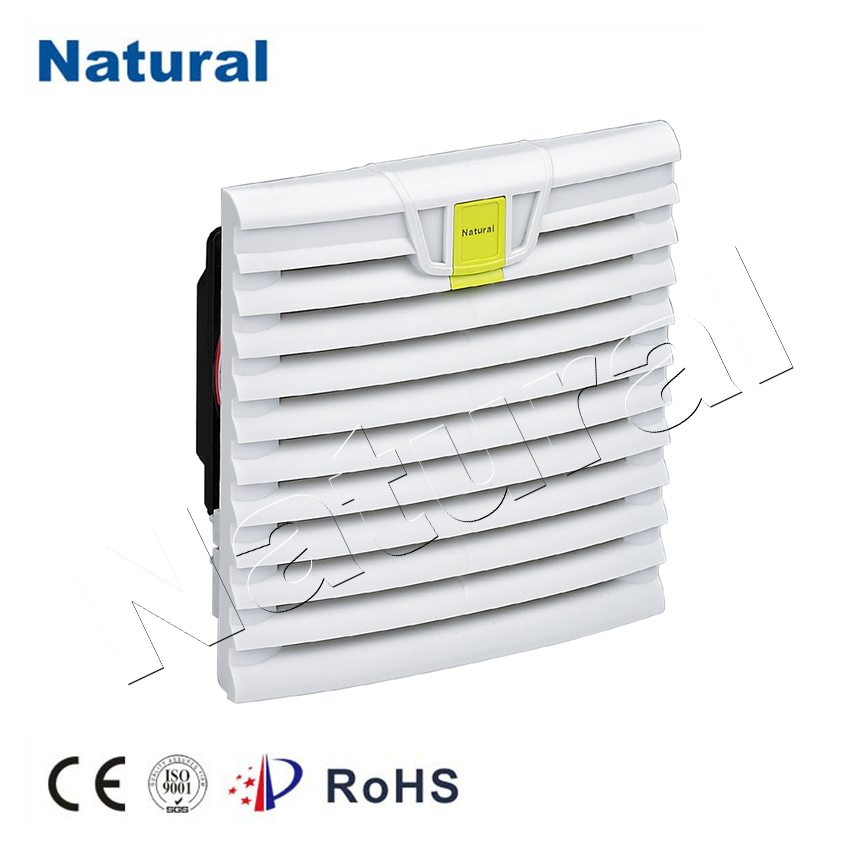
In today’s world, where pollution and airborne contaminants pose significant health risks, the need for effective air quality management has never been more critical. One of the most vital components in ensuring clean and breathable air is the efficient combination of fan and filter systems. These two elements work hand in hand to improve air circulation, remove harmful particles, and maintain a healthy living and working environment.
Understanding the Roles of Fans and Filters
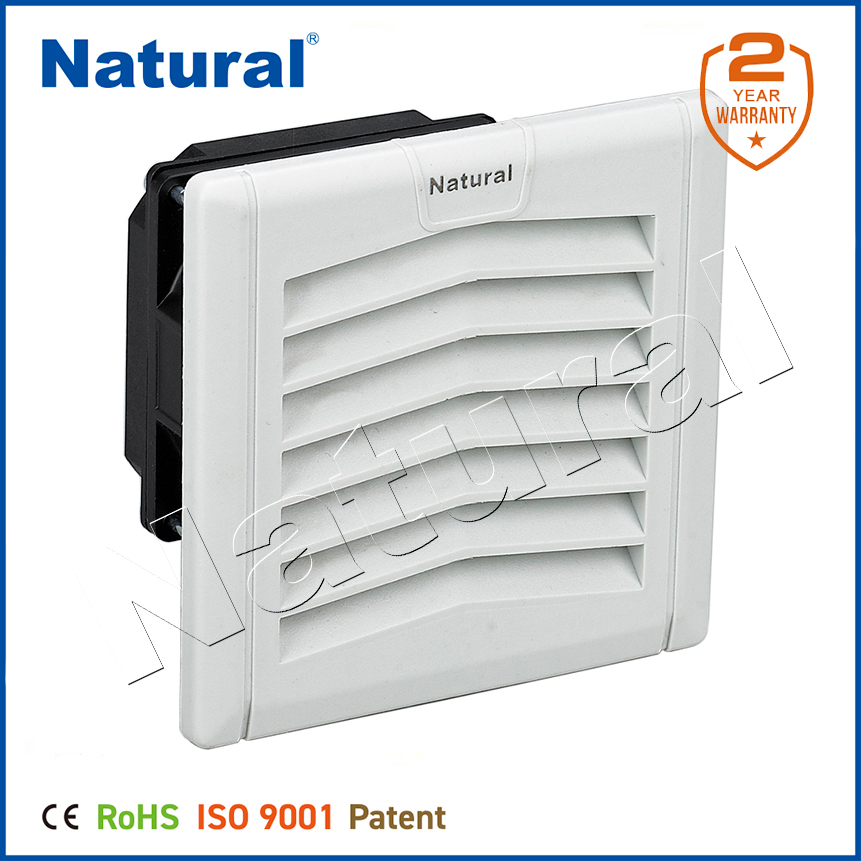
Fans play a crucial role in air circulation and ventilation. Their primary function is to move air efficiently, creating a flow that can cool spaces, remove odors, and enhance overall comfort. Depending on the design and application, fans are available in various types, including axial fans that move air along the axis of rotation and centrifugal fans that propel air outwards. In various environments—from commercial buildings to residential settings—fans are equipped to handle different air movement needs. On the other hand, filters are designed to trap and eliminate particles from the air. They work by capturing dust, pollen, smoke, and even biological contaminants like bacteria and viruses. Filters are graded based on their ability to remove specific sizes of particles, with HEPA (High-Efficiency Particulate Air) filters being among the most effective, capable of capturing 99.97% of particles measuring 0.3 microns or larger.