In industrial settings, ensuring the safety of workers during maintenance and servicing is paramount. One of the key strategies employed to achieve this is through the use of lock out equipment, which plays a pivotal role in the Lockout/Tagout (LOTO) procedures. This practice not only protects employees from potential hazards associated with the unexpected energization or startup of machinery but also promotes a culture of safety within organizations. In this article, we will explore what lock out equipment entails, its significance, and how it is integrated into workplace safety protocols.
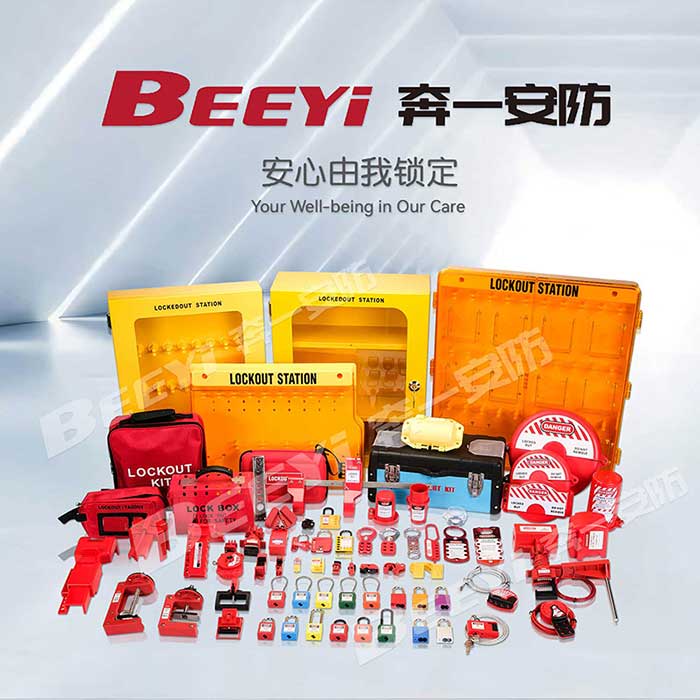
Understanding Lock Out Equipment Lock out equipment encompasses a range of devices used to secure machines and energy sources during maintenance work. The primary goal of this equipment is to prevent any unintended reactivation of machinery, which could lead to severe injuries or fatalities. Standard items that fall under the category of lock out equipment include padlocks, hasps, valve locks, and key-operated switches. Each item serves a unique purpose and is designed to ensure that energy sources are effectively isolated. A critical component of lock out equipment is the padlock. This simple yet effective device ensures that machinery cannot be started up while maintenance is ongoing. When a technician applies a padlock to a specific energy control point, only they possess the key to remove it, effectively preventing anyone else from attempting to operate the equipment. Multi-lock hasps can be employed in situations where more than one technician is working on a machine, allowing multiple locks to be affixed to the same energy source.