Lockout Hasps play a vital role in industrial safety programs, specifically in Lockout/Tagout (LOTO) procedures, which are designed to protect workers from the hazards of machines or equipment that are in maintenance or repair. In many industrial environments, workers often interact with complex and potentially dangerous machinery. Lockout Hasps help ensure that such machinery is properly de-energized, preventing accidental startups that could result in severe injuries or fatalities. This article delves into the significance, features, and applications of Lockout Hasps in safeguarding workers in various industries.
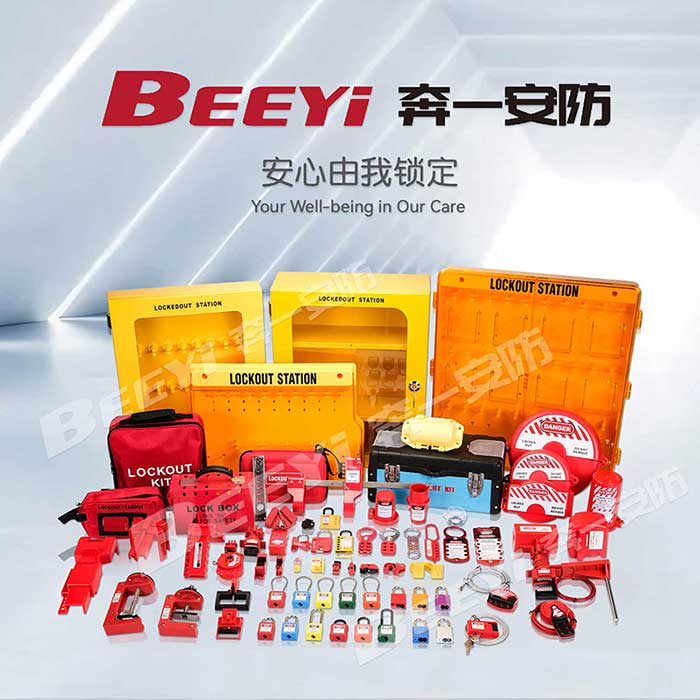
What is a Lockout Hasps? A Lockout Hasps is a safety device used to isolate energy sources in machines or equipment during maintenance. It allows multiple workers to lock a machine in a safe state with their personal locks, ensuring that no one can re-energize the system until all have completed their work and removed their locks. Typically made from durable materials like steel or aluminum, Lockout Hasps are designed to withstand harsh industrial environments and prevent unauthorized access to equipment. The device consists of a metal ring or a steel band that attaches to an energy-isolating device such as an electrical switch, valve, or circuit breaker. The Lockout Hasps can hold multiple locks, each representing an individual worker’s safety control. This is crucial for scenarios where more than one technician is working on the same machine or system, providing a clear and structured method to secure equipment.