Lockout Tagout equipment, often abbreviated as LOTO equipment, plays a vital role in ensuring the safety of workers who perform maintenance, cleaning, or repair tasks on industrial machinery. In workplaces where hazardous energy sources such as electricity, hydraulics, or pneumatics are present, the risk of accidental machine startup or energy release can lead to serious injuries or fatalities. Lockout Tagout procedures and the proper use of LOTO equipment act as the first line of defense against these dangers.
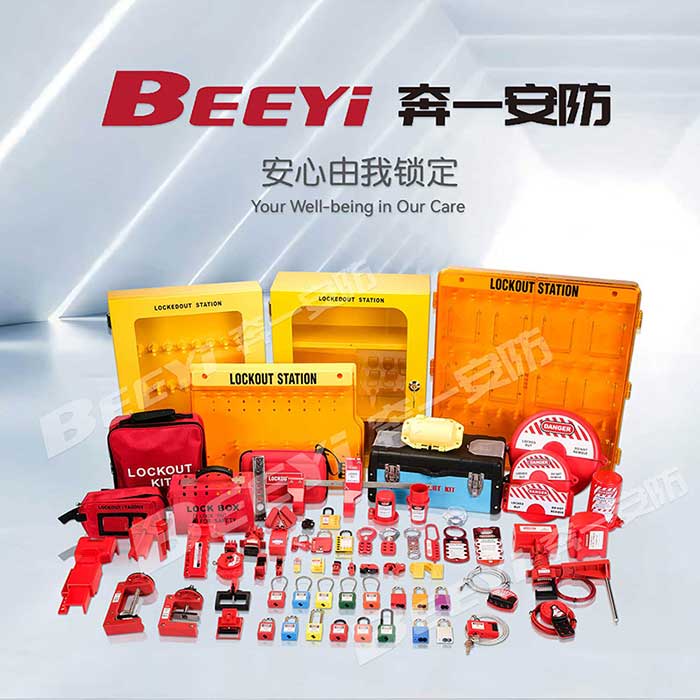
Lockout Tagout equipment is specifically designed to isolate energy sources and prevent machines from being turned on while maintenance is underway. The concept involves two main actions: “Lockout,” which physically locks the energy control point using devices such as padlocks or valve covers, and “Tagout,” which provides visual warning through tags that indicate the equipment should not be operated. Together, these two components form a comprehensive safety protocol recognized by international standards such as OSHA 29 CFR 1910.147 and ISO 14118. There are many different types of Lockout Tagout devices, each suited for a particular type of energy source or machinery. The most common one is the safety padlock, which prevents unauthorized operation of switches or levers. Valve lockouts are used to secure ball valves, gate valves, or butterfly valves to stop the flow of liquids or gases. Circuit breaker lockouts ensure that electrical panels cannot be reactivated until it is safe to do so. Plug lockouts cover power plugs to keep them from being connected to outlets. Additionally, cable lockouts allow workers to secure multiple energy isolation points simultaneously using one lock. Each device is often brightly colored, usually red, and made from non-conductive materials to ensure visibility and electrical safety.