Lockout-Tagout (LOTO) is a critical safety protocol used in workplaces, particularly in industrial settings, to prevent accidents during maintenance, repair, or servicing of machines and equipment. By ensuring that machines are completely powered down and cannot be inadvertently turned back on, LOTO safeguards workers from dangerous energy sources. This article explores the importance of LOTO, its procedures, and its role in maintaining workplace safety.
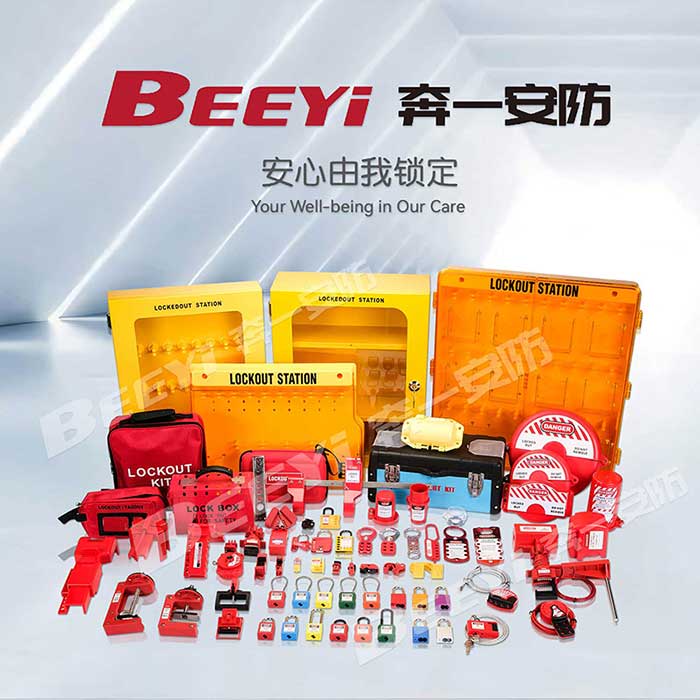
What is LOTO? LOTO stands for Lockout-Tagout, a safety procedure used in workplaces to control hazardous energy sources during maintenance activities. The goal of LOTO is to ensure that workers are not exposed to the risk of injury from unexpected machine startups, electrical hazards, or the release of stored energy (such as pressure or chemicals) while servicing equipment. It involves two key elements: lockout and tagout. Lockout involves physically locking the energy-isolating devices (like switches or valves) in the “off” position, preventing them from being accidentally turned back on.