In industrial environments, safety is paramount. One of the most effective methods to ensure the protection of workers during maintenance or repair tasks is through the implementation of a Lockout/Tagout (LOTO) system. At the heart of this safety protocol are LOTO tags, which play a crucial role in preventing accidents, ensuring that machinery is not accidentally started, and maintaining compliance with safety regulations. In this article, we will explore the significance of LOTO tags, their role in industrial safety, and best practices for their implementation.
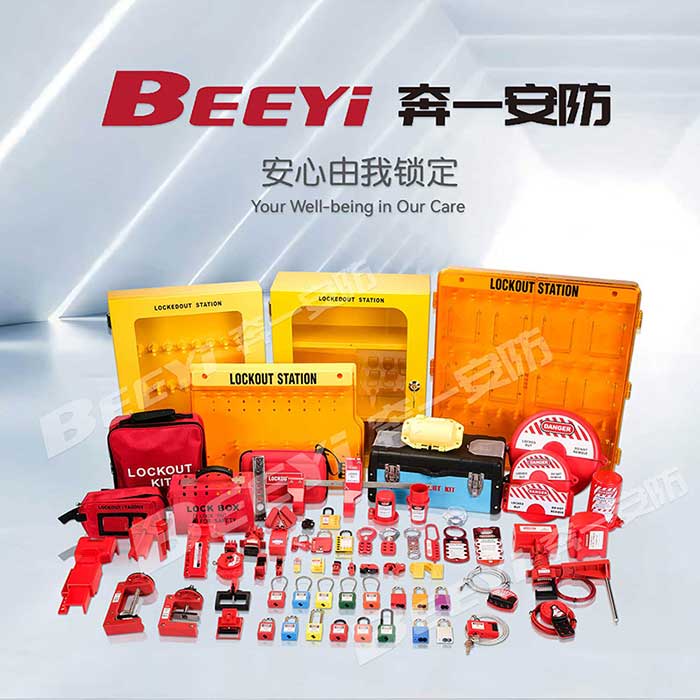
What are LOTO Tags? LOTO tags are physical markers used in the Lockout/Tagout procedure, a critical safety process designed to control hazardous energy during equipment maintenance or repair. When a piece of machinery or equipment is undergoing service, it is essential that all potential sources of energy—whether electrical, mechanical, hydraulic, pneumatic, or thermal—are securely isolated to prevent unintended startup or release of energy that could harm workers. A LOTO tag is attached to an energy-isolating device (such as a valve, circuit breaker, or lock) to inform personnel that the equipment is under maintenance and must not be operated. These tags typically include specific information, including: