Low flow solenoid valves are essential components in various industries, providing precise control over fluid flow in applications where traditional valves might be less effective. These compact devices operate using electromagnetic principles, allowing for quick and reliable actuation, making them invaluable in settings where accurate flow regulation is critical. This article explores the characteristics, operation, applications, and significance of low flow solenoid valves in today’s technological landscape.
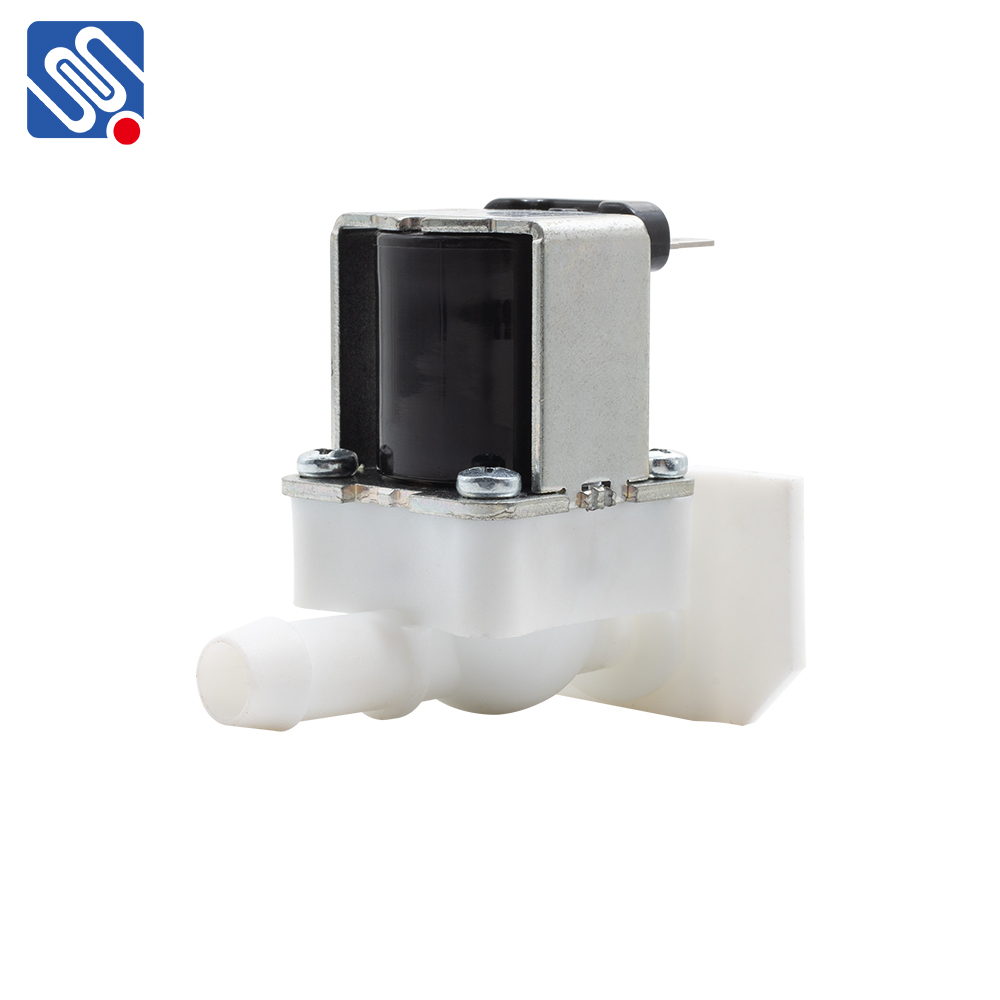
Understanding Low Flow Solenoid Valves At its core, a low flow solenoid valve consists of a valve body, a solenoid coil, a diaphragm, and a stem. The valve operates in response to electrical signals sent to the solenoid coil. When electrical current passes through the coil, it generates a magnetic field that attracts a metal armature. This, in turn, moves the diaphragm or stem, opening or closing the valve and allowing fluid to pass or be obstructed. This mechanism enables exceptionally fast response times, often in milliseconds, which is crucial in applications requiring rapid changes in flow.