Pneumatic systems are widely used in various industrial applications, powering machines, tools, and production lines. These systems, while efficient and reliable, also present safety risks, particularly during maintenance or repair work. One critical safety measure for managing these risks is the use of Pneumatic Lockouts. Pneumatic Lockouts are devices designed to ensure that pneumatic energy, typically in the form of compressed air, is properly isolated and locked off before any maintenance work can take place. This article explores the importance of Pneumatic Lockouts in maintaining a safe working environment, the different types of devices available, and their role in preventing accidents.
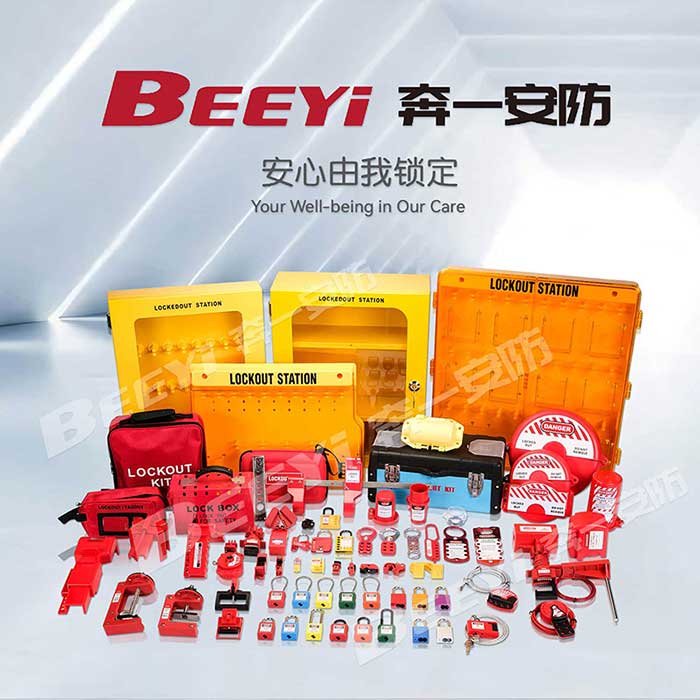
What are Pneumatic Lockouts? A Pneumatic Lockout is a safety device used to isolate and control the flow of compressed air within a pneumatic system. When maintenance or repairs are needed, the lockout ensures that the equipment cannot be accidentally re-energized. This is achieved by securing valves, pressure switches, or air supply lines in a locked, off position. Only authorized personnel with the appropriate key or combination can unlock the device and restore the system’s operation, minimizing the risk of accidental startup. The primary function of a Pneumatic Lockout is to protect maintenance workers from injury due to the unexpected release of stored air pressure. For example, a technician working on a pneumatic tool may be unaware that a portion of the system is still pressurized, which could cause a sudden and dangerous movement of the machine or component. Lockout devices prevent this risk by ensuring that all pneumatic energy is safely isolated.