In industrial and manufacturing settings, worker safety is paramount. One of the critical measures in ensuring a safe working environment is the implementation of a comprehensive lockout/tagout (LOTO) procedure. A fundamental component of this procedure is the use of safety lockout tags, which play a crucial role in preventing accidents and injuries. These tags provide clear warnings and instructions that prevent machinery from being accidentally started while it is being repaired or maintained.
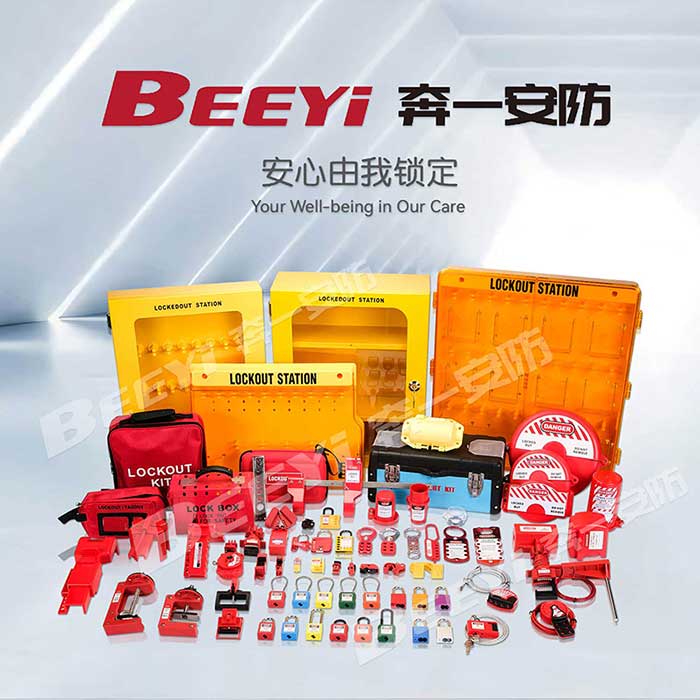
What Are Safety Lockout Tags? Safety lockout tags are essential tools used in lockout/tagout procedures to indicate that machinery or equipment has been rendered inoperable for maintenance or repair. They are typically attached to machines that are locked out, acting as a visual reminder that the machine cannot be used until the work is completed. While lockout devices physically prevent the operation of machines, the safety tags serve as an added layer of communication and ensure that workers are aware of the current status of the equipment. The tags are usually brightly colored—commonly red or yellow—and contain critical information such as the name of the person who applied the lock, the date and time it was applied, the reason for the lockout, and any additional instructions. These tags can also feature warning messages like “Danger—Do Not Operate” or “Out of Service,” making it clear that the machinery is off-limits for use.