Safety lockout tags are an essential component of workplace safety, particularly in environments where machinery and equipment are frequently maintained or repaired. They are part of a broader safety system known as Lockout/Tagout (LOTO) procedures, which are designed to prevent the accidental release of hazardous energy during maintenance activities. These simple yet effective tools help protect workers from the serious injuries that can result from unexpected machine startups or the release of stored energy. This article explores the critical role safety lockout tags play in safeguarding workers, the regulations governing their use, and how they contribute to a safer work environment.
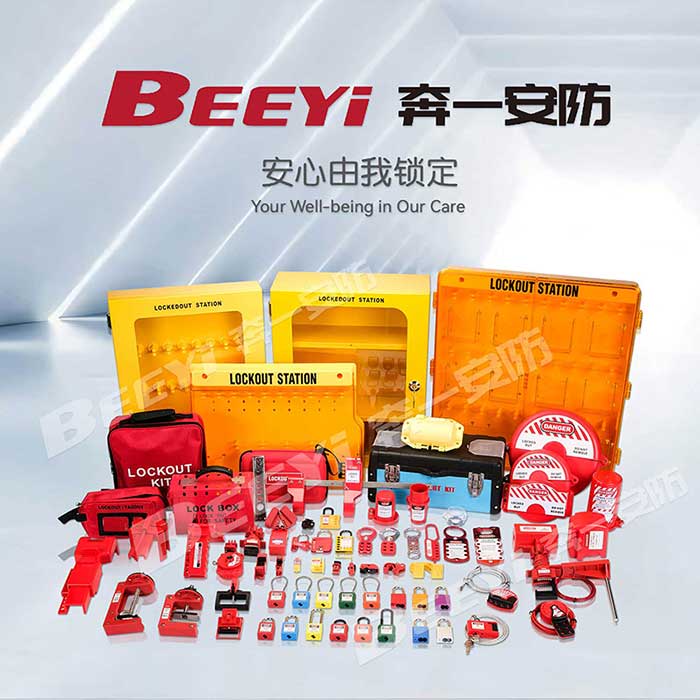
Understanding Safety Lockout Tags A safety lockout tag is a brightly colored warning device that is attached to machines, electrical panels, or energy isolation points during maintenance or repair work. The tag is typically paired with a lockout device, such as a padlock, to physically prevent the machine from being activated. While the lock serves to physically block access to the power source, the lockout tag acts as a visible warning to others that the equipment is being serviced and should not be operated until the maintenance is complete. Lockout tags are usually made from durable materials designed to withstand environmental factors like moisture, heat, and wear. The tags must remain legible throughout the maintenance process to ensure workers are aware of the potential hazards. Each tag includes essential information, such as the name of the person who placed the lockout tag, the date and time of application, and the reason for the lockout.