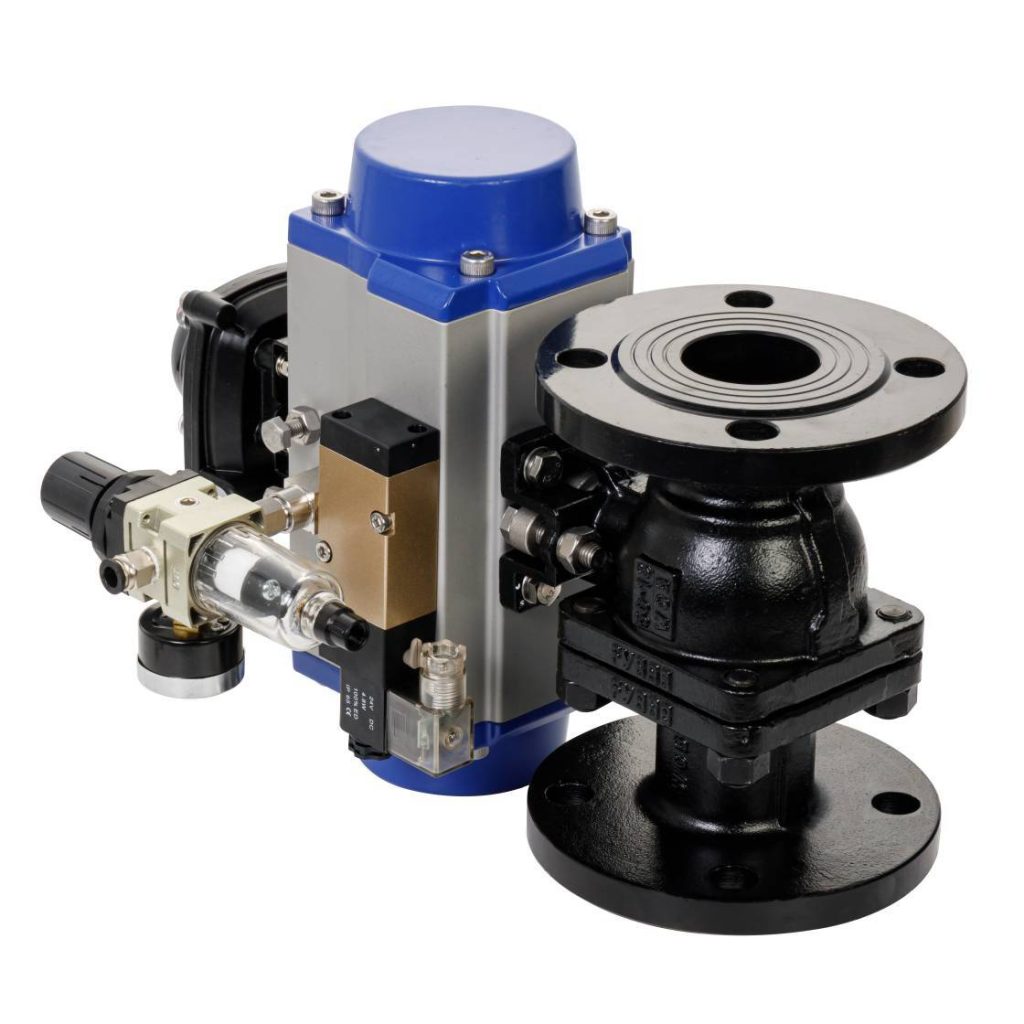
As the world shifts towards cleaner energy alternatives, hydrogen energy has emerged as a promising solution to mitigate climate change and reduce reliance on fossil fuels. Hydrogen, being a versatile and sustainable energy carrier, plays a key role in sectors such as transportation, power generation, and industrial applications. One crucial component in the infrastructure for hydrogen production, storage, and distribution is the Hydrogen Energy Pneumatic Ball Valve. These valves are specifically designed to control the flow of hydrogen gas in various systems, ensuring safe and efficient operations. This article explores the function, importance, and unique design considerations of hydrogen energy pneumatic ball valves in hydrogen energy applications.
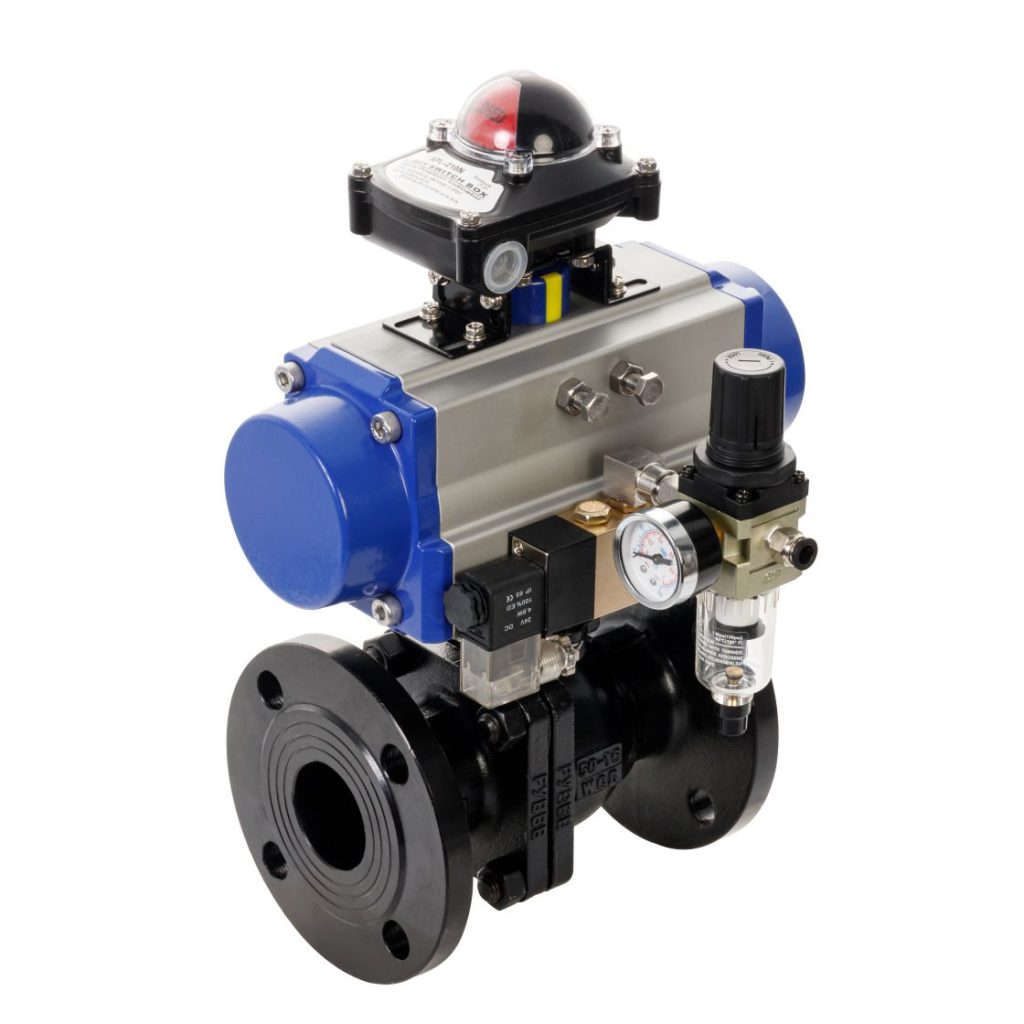
What is a Pneumatic Ball Valve?
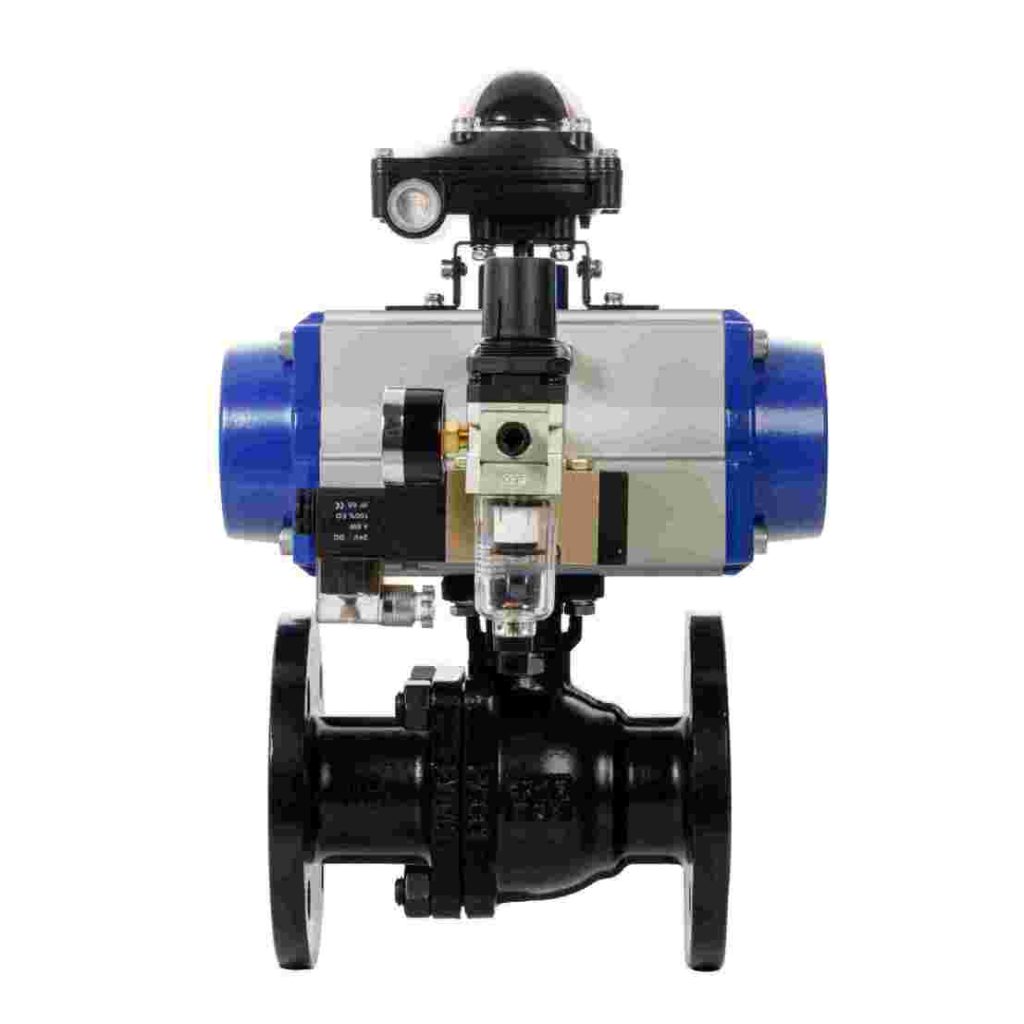
A ball valve is a type of quarter-turn valve that controls the flow of fluid through a pipe. The central feature of a ball valve is a spherical ball with a hole in the center. When the valve is open, the hole aligns with the flow path, allowing fluid to pass through. Pneumatic ball valves, specifically, are powered by compressed air, which drives an actuator that rotates the ball to open or close the valve. This type of valve is often used in systems where quick, precise control of the fluid flow is essential. In hydrogen energy systems, pneumatic ball valves are favored for their ability to operate quickly and efficiently, providing a reliable and safe method for regulating hydrogen flow. The ability to remotely control these valves makes them a crucial component in automated systems, where safety and precision are paramount.