In recent years, the demand for advanced energy storage solutions has surged, particularly in the field of lithium-ion batteries. As a critical component in many modern devices, electric vehicles (EVs), and renewable energy systems, lithium batteries have become the cornerstone of modern technology. However, with the rise of lithium battery applications, concerns around safety, efficiency, and long-term reliability have emerged. One of the essential components that contribute to the safe and effective operation of lithium batteries is the stainless steel lithium battery valve. This article explores the function, significance, and advantages of stainless steel lithium battery valves in ensuring the safety and efficiency of lithium-ion batteries.
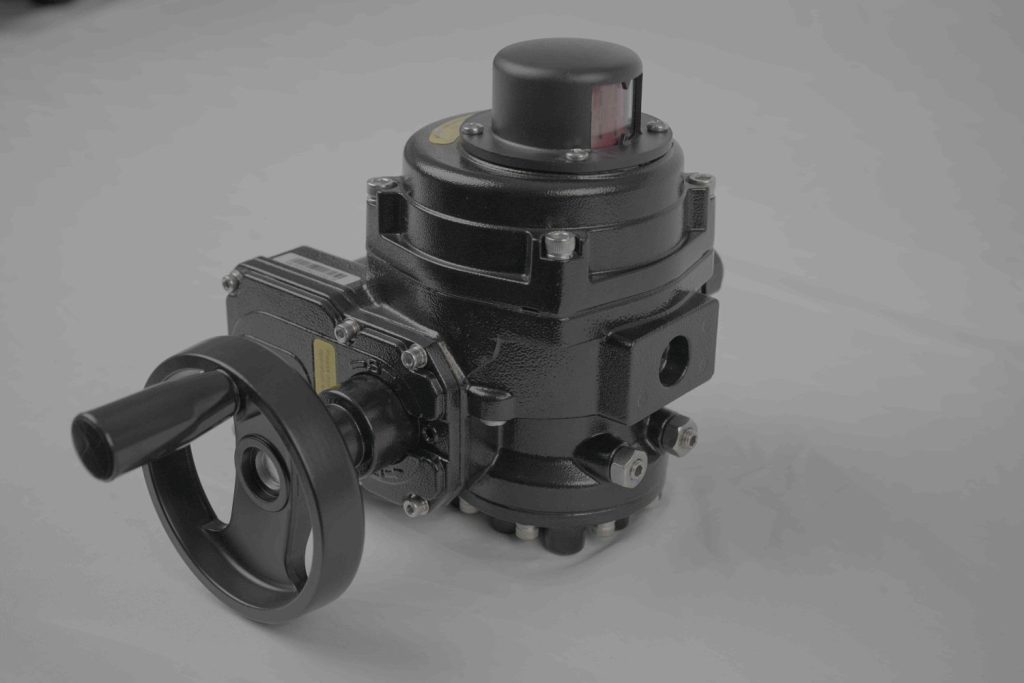
What is a Stainless Steel Lithium Battery Valve? A lithium battery valve is a crucial safety feature integrated into lithium-ion battery cells to regulate internal pressure and prevent dangerous scenarios, such as overpressure or thermal runaway. These valves are designed to release excess pressure inside the battery if it builds up to dangerous levels, which could otherwise lead to leakage, rupture, or even explosions. The “stainless steel” aspect of these valves refers to the material used for their construction. Stainless steel, an alloy known for its strength, durability, and resistance to corrosion, is ideal for such critical components. It ensures that the valve can withstand the high pressures, temperatures, and chemical environments present inside lithium-ion cells, making it a reliable safety measure for modern battery designs.