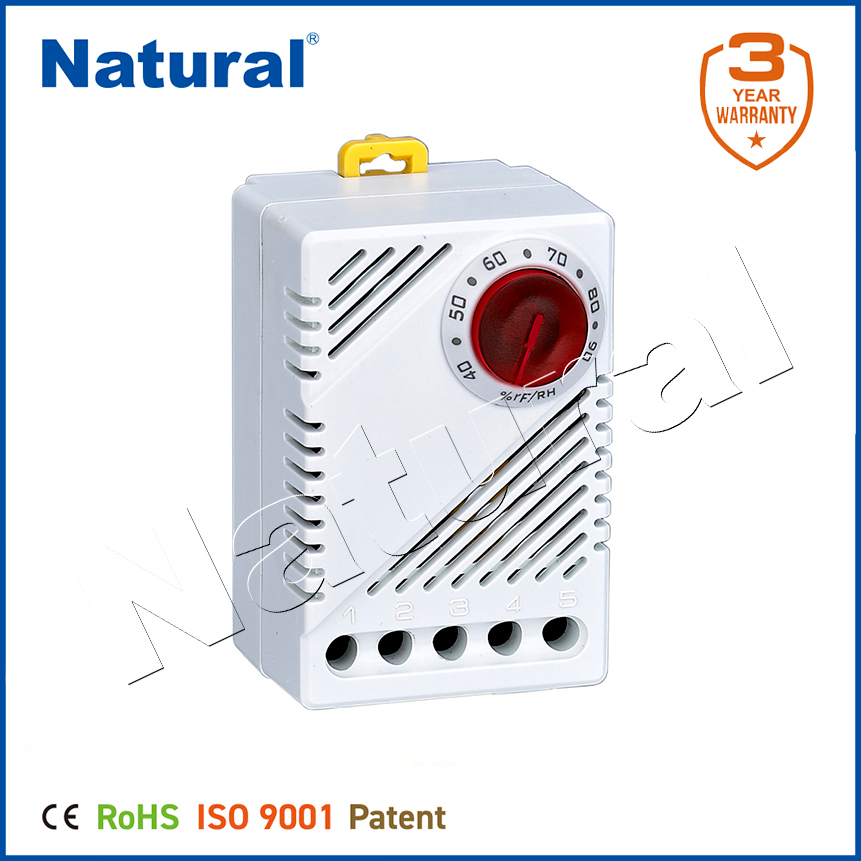
An electronic hygrostat is an advanced device designed to regulate humidity levels within a controlled environment. It is a crucial component in modern climate control systems, particularly in applications where maintaining a specific level of humidity is vital for the comfort, safety, or preservation of goods. The term “hygrostat” is derived from “hygro,” meaning moisture, and “stat,” meaning to maintain. Therefore, an electronic hygrostat works by controlling the moisture levels in the air, ensuring a constant humidity level according to the set parameters.
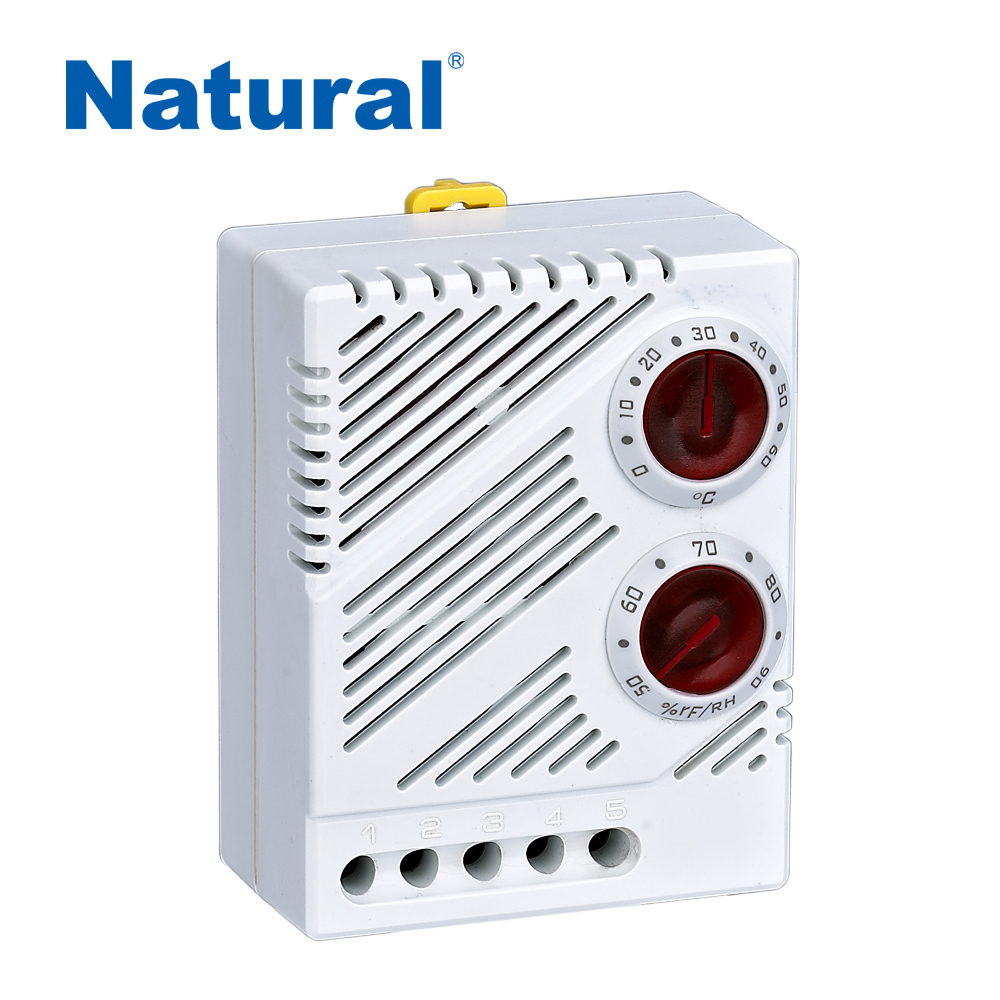
Functionality of Electronic Hygrostats
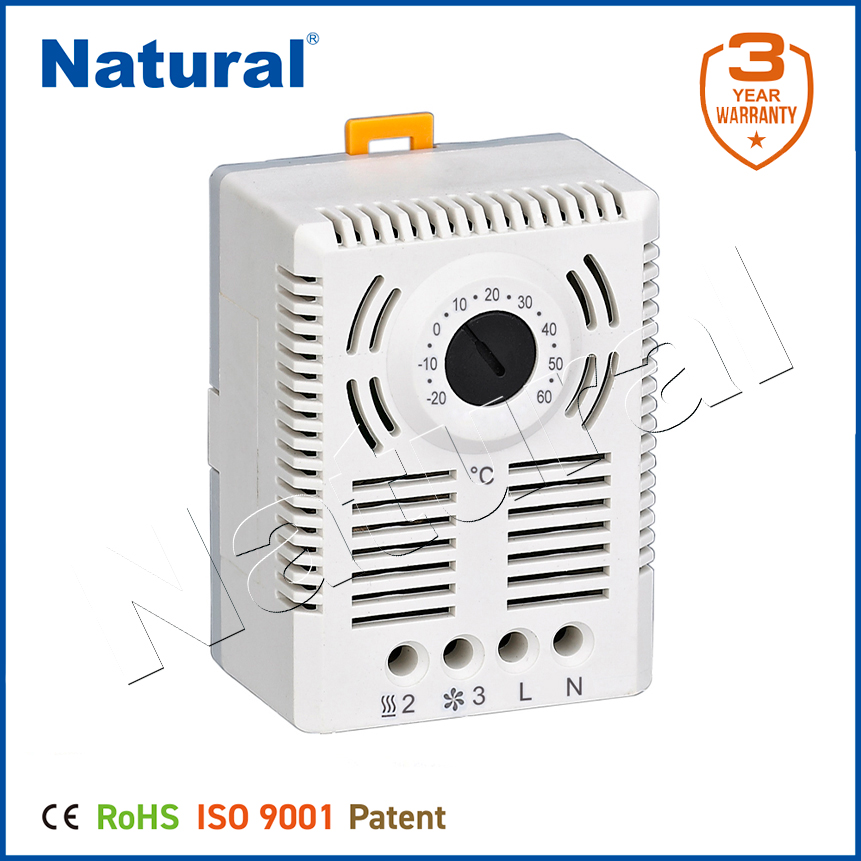
Electronic hygrostats function through an automated system that adjusts the operation of humidifiers and dehumidifiers. A hygrostat typically consists of sensors that detect the current humidity level in the surrounding air. Once the humidity drops below a set threshold, the hygrostat signals the humidifier to add moisture to the air. Conversely, if the humidity rises above a preset level, the hygrostat activates the dehumidifier to reduce the moisture content in the air. Unlike mechanical hygrostats, which rely on mechanical parts to detect and regulate humidity, electronic hygrostats use digital sensors and circuits. These sensors can provide a more precise and reliable reading, making them more efficient for controlling humidity levels in modern environments. In addition, electronic hygrostats often come with advanced features such as programmable settings, alarms, and digital displays, which allow users to monitor and adjust humidity levels with ease.