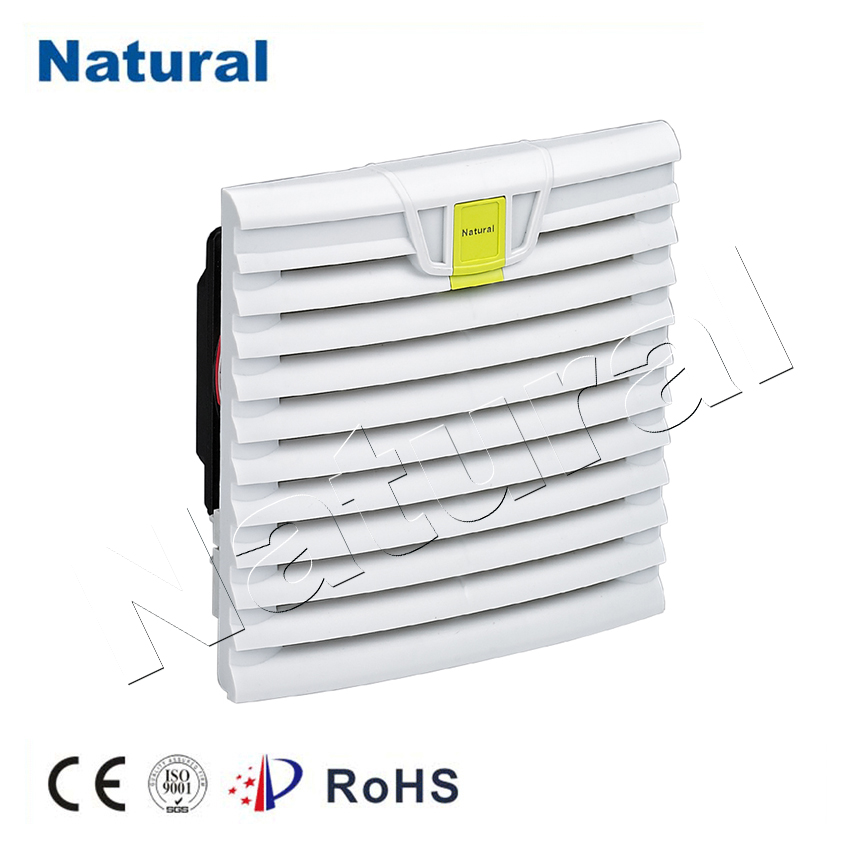
In the modern world, maintaining clean and healthy air environments is a priority in both residential and industrial settings. Two critical components that play a pivotal role in this endeavor are fans and filters. While they serve distinct purposes, their combined operation significantly enhances air quality and system efficiency. This article explores the functions, benefits, and interplay between fans and filters, demonstrating how their synergy contributes to a healthier and more efficient environment.
Understanding Fans and Filters
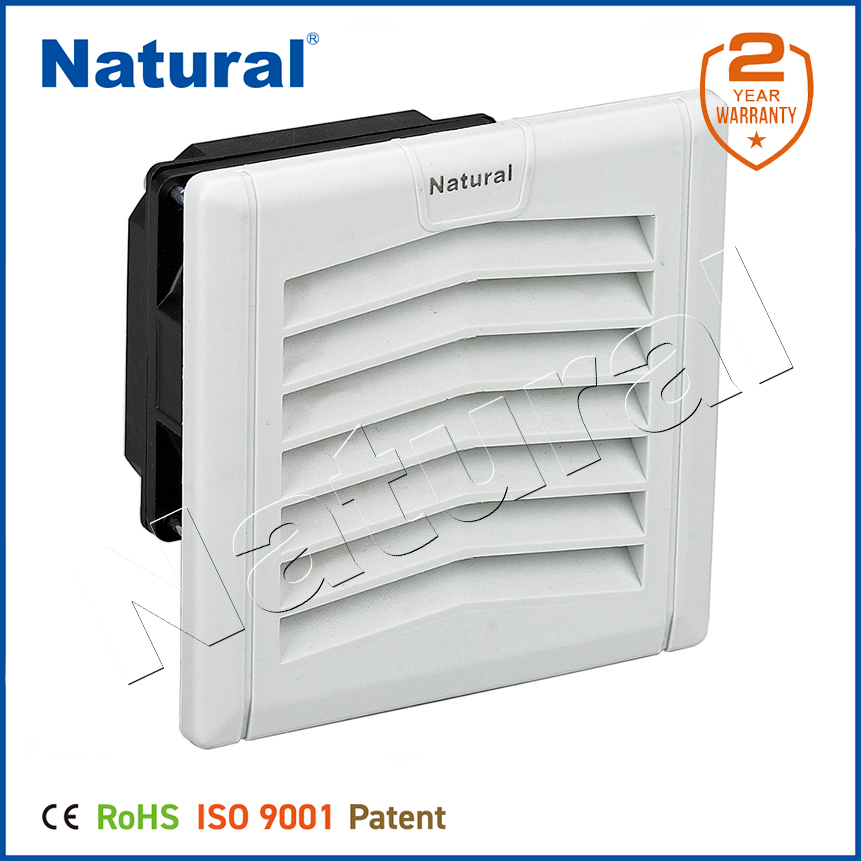
Fans are mechanical devices designed to move air, creating a flow that facilitates ventilation, cooling, or air distribution. They are commonly used in various applications, including residential HVAC systems, industrial processes, and electronic cooling. Fans come in different types, such as axial, centrifugal, and centrifugal blowers, each suited to specific applications depending on the required air movement and pressure. Filters, on the other hand, are devices used to remove particles, pollutants, and contaminants from the air. They come in various forms, such as HEPA (High-Efficiency Particulate Air), carbon, and electrostatic filters. Filters are essential for improving indoor air quality by trapping dust, allergens, smoke, and other airborne contaminants.